
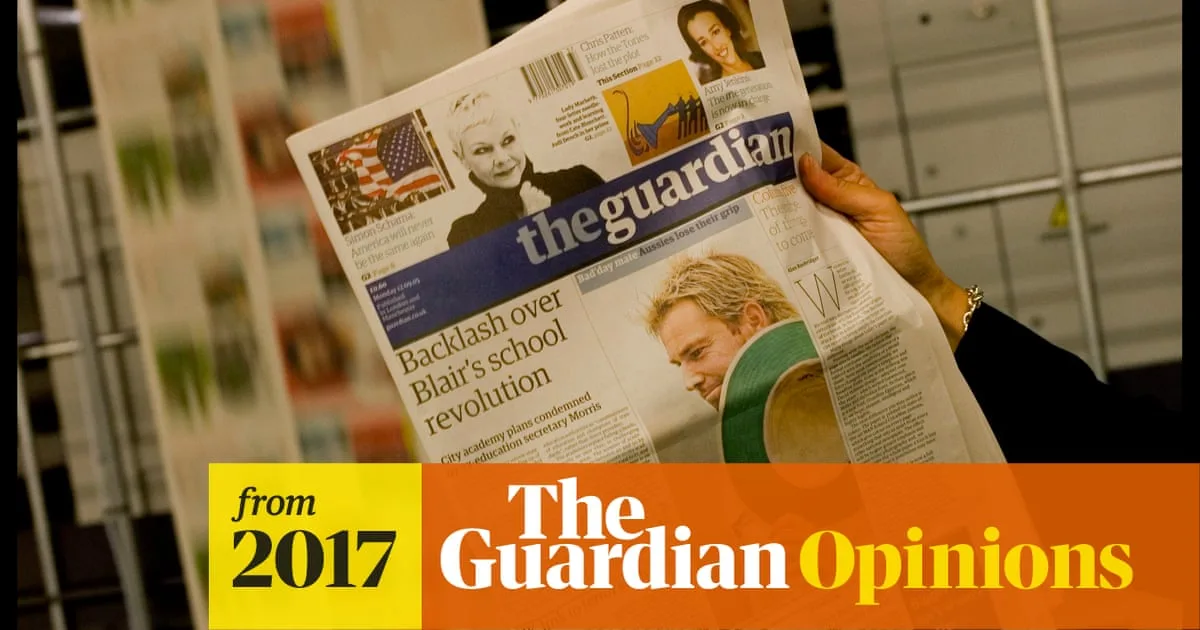
The Guardian receives around 30,000 contacts from readers each year, prompting the question of how to decide what needs correcting or clarifying. In one notable case, an interview with Sir Jack Hayward, chairman of Wolverhampton Wanderers, mistakenly attributed a comment about the team's performance when he was actually referring to the tea. Such errors are corrected with profuse apologies, but many matters are less clear-cut.
As the Guardian expands its digital presence and prepares to switch to tabloid size in the UK next year, editorial policy commits to correcting significant errors. However, many reader contacts involve minor issues like spelling or grammatical mistakes, which often stem from the fast-paced nature of digital journalism. Resources permitting, these are corrected online to improve overall quality.
Digital technologies allow for quicker and easier amendments than print, which is valuable given that digital journalism is constantly viewed by new audiences across time zones. Since December 2016, the Guardian has published nearly 3,500 corrections and clarifications (C&Cs), with online corrections now outpacing print ones by a ratio of 3:1, compared to 2:1 in favour of print in 2010.
While print newspapers are ephemeral and locally distributed, digital versions endure globally, making it worthwhile to correct even minor errors online. However, preparing C&Cs can be time-consuming, requiring consultation with journalists and authoritative sources. The Guardian has published a daily corrections column since 1997, but as digital focus intensifies, fewer minor corrections may appear in print, with resources directed more to digital platforms.
Criteria for deciding on corrections include the seriousness of potential harm, consequences of misunderstanding, timeliness, prominence of the original item, legal considerations, and reputational risk to the Guardian.




