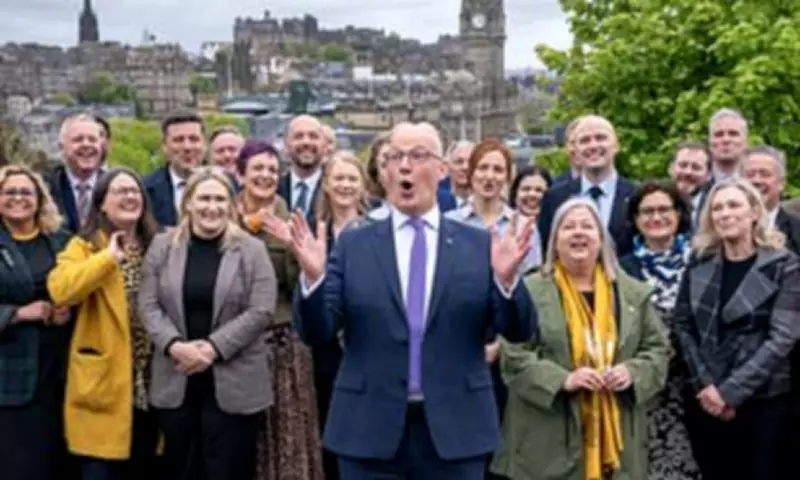
John Swinney has stated his willingness to engage with every political party except Reform UK, following the SNP's failure to secure a majority in the Scottish Parliament. The party now holds 58 seats, seven short of the 65 required for an outright majority, necessitating cross-party cooperation to pass budgets and legislation.
Potential Coalition with Greens
The situation opens the door to a possible coalition with the Scottish Greens, despite widespread criticism of their previous power-sharing agreement. Speaking after the election results, Mr Swinney confirmed he would invite the Greens for talks next week, alongside leaders of other Holyrood parties. However, he explicitly excluded Reform UK, led by Nigel Farage, despite the party now being joint second largest at Holyrood with 17 MSPs.
There are concerns that a deal with the Greens could lead to higher taxes and policy concessions. Greens co-leader Ross Greer outlined priorities including free bus travel for all, improved childcare, and stronger climate action, including a presumption against new North Sea oil and gas drilling.

Tax and Spending Proposals
The Greens, who previously governed with the SNP under the Bute House agreement, proposed tax rises in their manifesto, such as a 1 per cent levy on home values. Mr Greer also emphasised an urgent need for Scottish independence, though he noted no negotiation was required on that front given shared goals with the SNP.
At a post-election press conference in Edinburgh, Mr Swinney advocated for a stable and inclusive approach to governance but immediately ruled out Reform, accusing them of hostility towards minority groups and a desire to abolish Holyrood. When questioned about a coalition with the Greens, he did not dismiss the possibility.
Cooperation with Other Parties
Mr Swinney stated: 'I will engage in discussions with leaders of all political parties. I will not invite Reform for those discussions. I will invite other party leaders individually starting next week. We have cooperated well with Greens on various issues, as well as with Liberals on budget provisions, and even with Conservatives and Labour on specific policies. It is not impossible for politicians to work together.'
He added that he would only do the minimum required when interacting with Reform in parliament, saying: 'There are obligations, but I am not obliged to invite Reform to St Andrew's House for cooperation talks. Some may view this as exclusive, but I am being firm about my boundaries.'
Reform's Response
Reform came third in votes and tied for second in MSPs. Mr Swinney suggested Reform's support came from people with racist views or anger, which he aimed to address through SNP policies. However, Scottish Liberal Democrat leader Alex Cole-Hamilton warned business leaders are deeply concerned about Greens influencing government again, citing past policies like the deposit return scheme and housing regulations that deterred investment.
Reform's Scottish leader Malcolm Offord condemned Mr Swinney's stance as a 'disgraceful attempt to silence hundreds of thousands of voters.' He accused the First Minister of being undemocratic and out of touch, adding: 'The SNP cannot shut down the growing demand for real change in Scotland.'