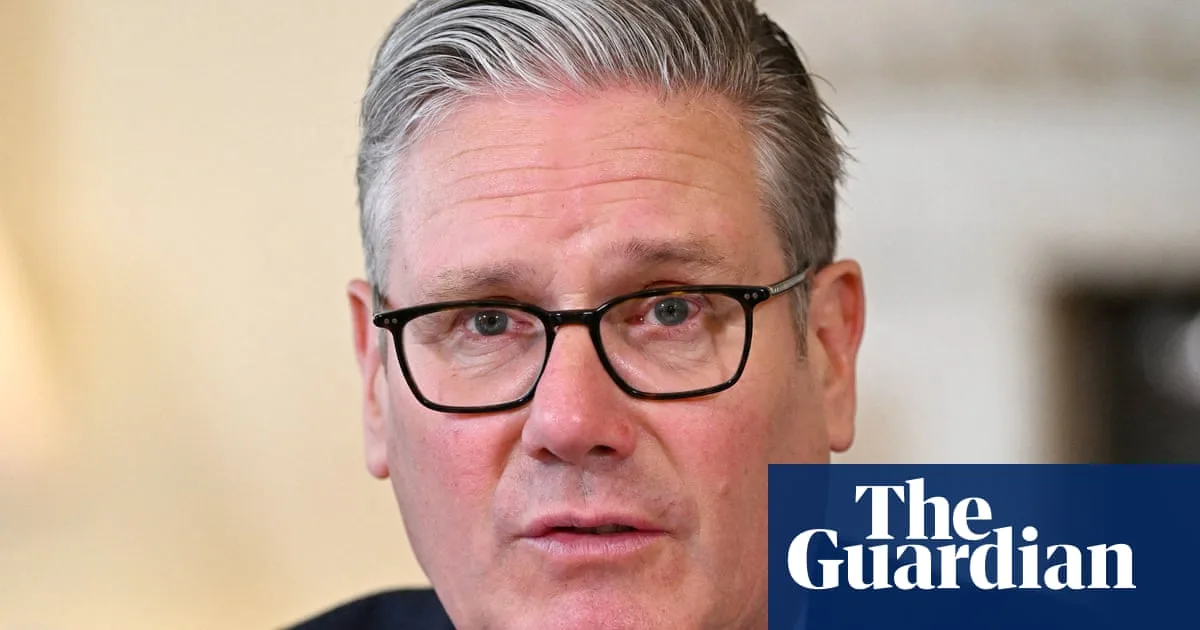
In July 2024, Keir Starmer swept into Downing Street with a historic majority, ending 14 years of Conservative rule. Promising change and hope after austerity, Liz Truss, and partygate, he aimed to give voters a fresh start. Instead, the Prime Minister has endured two difficult years marked by high-profile and avoidable mistakes that have damaged both him and his party. Rows over freebies, resignations, and U-turns have made his premiership anything but quiet.
What Went Wrong
Planned cuts to the winter fuel allowance enraged pensioners, leaving nearly 10 million older people without support. The Chancellor cited a £22 billion 'black hole' left by the Tories, but that did little to calm the backlash. Changes to inheritance tax for farmers sparked mass protests and an eventual U-turn, while plans for digital ID confused and annoyed voters over a fight picked for seemingly no reason. These policies were seen as betrayals, alongside no compensation for WASPI women and increased business rates on pubs.
Beyond unforced errors, Labour appeared to abandon its values. Proposed welfare cuts were scrapped only after widespread opposition from MPs and the press. On immigration, the party adopted a hardline stance, with Home Secretary Shabana Mahmood following a Danish model described as 'racist' and a failure by Danish MPs. After attacking the Tories' 'hostile environment', Labour embraced similar language, notably in Starmer's 'island of strangers' speech, which he later apologised for. Even correct decisions, like ending the two-child benefit cap, were made only after 'magically finding cash', not as a moral mission from the start.
High-profile resignations further weakened the government: Deputy Leader Angela Rayner quit over her tax affairs, and Transport Secretary Louise Haigh resigned for not disclosing a fraud conviction. On Palestine, Starmer upset many by saying Israel 'has the right' to withhold power and water from Gaza. Most damning was the appointment of Peter Mandelson as US Ambassador, a man known to be friends with convicted paedophile Jeffrey Epstein. These missteps have left the party in dire straits, with just three years to turn things around and keep Nigel Farage out of Downing Street.
What He Needs to Do
To recover, Labour must engage with the scale of the task, cease the McSweeney-backed pandering to the right, and show the values that drew millions to the party. The Green Party's success offers a blueprint: governing with kindness, not a relentless focus on balancing the books. Zack Polanski's party has bled Labour of supporters by offering hope and clear values. While you may disagree with them, you know where they stand. The Greens have galvanised young voters who feel Labour no longer represents them. In purging the left, Labour has strengthened a rival.
Immigration policy must also change. Labour's approach has not won over Reform voters; it has emboldened Farage. Welcoming immigrants is both a moral and economic issue. People are desperate for hope—not that life will be better in a decade, but that they can pay bills and put food on the table tonight. They cannot wait for 'national renewal'.
Another drag is the fixation on 'fiscal rules', a financial straitjacket limiting what Labour can do, alongside pledges not to raise taxes. Stressing fiscal responsibility made sense in a general election, but Labour will not hold back Farage by counting pennies. In a cost-of-living crisis, normal rules do not apply. Reform and the Greens have not swept Labour aside due to sound financial plans; they just shout for change. Labour can deliver. Increasing taxes on the ultra-rich is a popular, common-sense policy that can transform communities.
Starmer deserves credit for some decisions: supporting Ukraine, avoiding conflict with Iran, and domestic policies like the Renters Reform Act, Workers Rights Bill, reducing NHS waiting times, free breakfast clubs, and sick pay for the self-employed. However, these were drowned out by a party offering pragmatism to an electorate desperate for hope. He cannot promise another relaunch with more of the same. Politics is about values—fundamental beliefs driving action. Two years in, it is time for Starmer to show what his are and tell a story that brings the public with him.