

With a growing number of Labour MPs publicly calling for Sir Keir Starmer to set a timetable for his resignation, and even more expressing the sentiment in private, it is clear that the prime minister must act decisively if he wishes to remain in Downing Street. As he entered the weekend, the pressing question was what he could do to reverse his fortunes following historically poor election results for Labour.
Reviving Labour's Greatest Hits
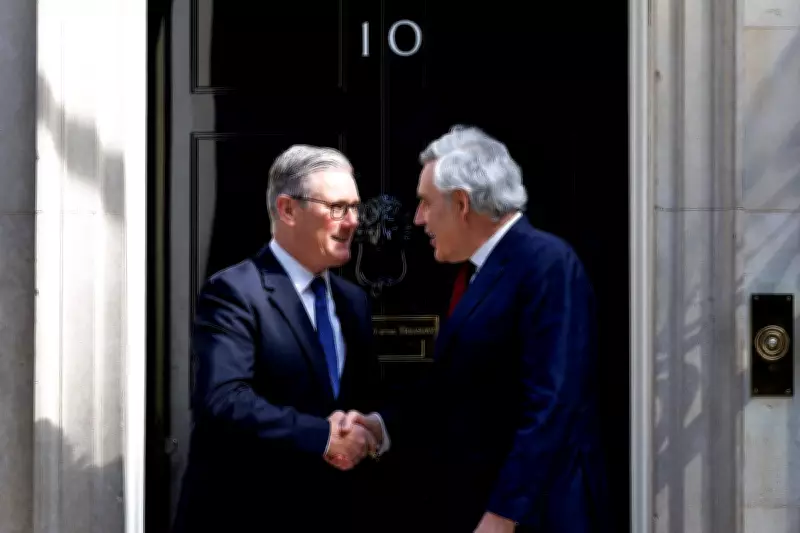
Starmer's answer has been to emulate an aging rock star by reviving two of his party's most celebrated figures from the past, aiming to appeal to the core membership that has been lured by the political melodies of other parties, notably the Greens under Zack Polanski. Cameras captured former deputy leader Baroness Harriet Harman and former prime minister Gordon Brown walking up Downing Street, where they were offered roles by Starmer.
Both have been tasked with addressing significant vulnerabilities for the prime minister. Brown, a widely respected former chancellor, has been appointed special envoy for global finance. This move seeks to mitigate the perceived failure of Starmer's economic strategy, with Chancellor Rachel Reeves struggling to deliver on the promised "number one mission" of economic growth—a goal that has barely materialized.

Echoes of Past Strategies
Brown's appointment recalls Rishi Sunak's decision to bring in Lord David Cameron as foreign secretary in 2023 to shore up support for a faltering government. Starmer turns to a man who criticized the appointment of Lord Mandelson as ambassador to the US but who commands deep respect and reverence within the party, despite his loss in the 2010 general election. Another former PM, Sir Tony Blair—who won three elections—was considered but would have inflamed the party's left wing, potentially accelerating Starmer's downfall.
Baroness Harman, the former mother of the House of Commons, is another respected figure from Labour's recent past. She has been appointed as an adviser on women and girls, addressing a live issue for the prime minister. Starmer has struggled to convince the public of his commitment to tackling violence against women and girls (VAWG), following controversies over Asian grooming gangs and the Mandelson appointment, which suggested indifference to the victims of Jeffrey Epstein. This is ironic given Starmer's personal investment in VAWG during his tenure as Director of Public Prosecutions, but his inability to communicate effectively has left him exposed.
Underlying Weaknesses
The reliance on past figures also highlights a deeper weakness: it underscores concerns that the current cabinet and Starmer himself are not up to the task. This strategy appears to be an alternative to a major reshuffle, which many Labour MPs believe Starmer is now too weakened to execute. A speculated reshuffle after his Monday speech may still occur, but replacing his chancellor or sacking ambitious Health Secretary Wes Streeting seems unlikely. Starmer may need to find a way to bring back former deputy prime minister Angela Rayner to prevent a challenge from her.
For now, he hopes that the reflected glory of two of the party's most respected grandees will be enough to stave off a move against him by his own MPs.






