
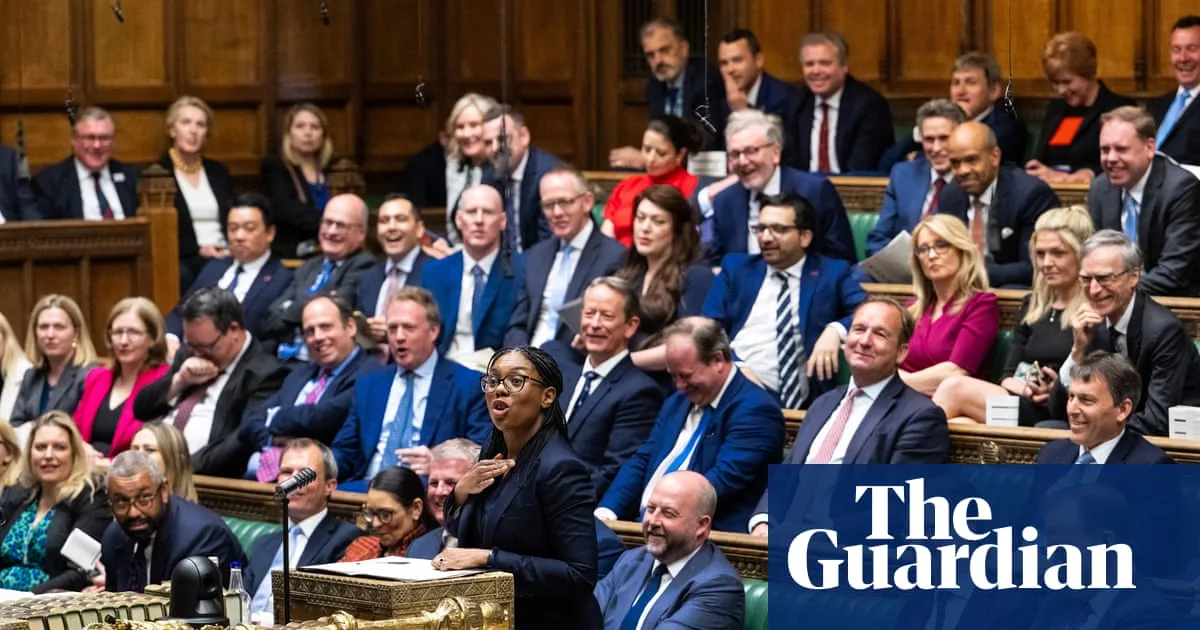
Sir Keir Starmer narrowly averted a major Labour rebellion on Tuesday after Downing Street deployed its full political weight to block a parliamentary investigation into the appointment of Peter Mandelson as UK ambassador to Washington. The government won the vote on a Conservative motion to refer the matter to the privileges committee by 335 votes to 223, a majority of 112. However, 15 Labour backbenchers defied the whip, while up to 53 MPs did not vote, sparking warnings from ministers that the prime minister is running out of political capital.
One minister told reporters that Starmer was in the “last-chance saloon” after a series of damaging revelations about the vetting process for Mandelson, a Labour peer with past links to convicted sex offender Jeffrey Epstein. Another said: “Keir only has so much credit in the bank with the backbenches now, so he needs to spend it wisely.” The rebellion came ahead of local elections expected to deliver heavy losses for Labour, fuelling speculation about Starmer’s leadership prospects.
Emma Lewell-Buck, the Labour MP for South Shields, criticised the decision to whip the vote, warning it played into the “terrible narrative that there is something to hide” and would leave colleagues accused of being “complicit in a cover-up”. Downing Street insisted it was right to defend the government’s position, but the controversy continued to deepen after revelations that the UK’s new ambassador to the US, Christian Turner, described Starmer as having been “on the ropes” over the scandal.
In private remarks to students in February, reported by the Financial Times, Turner said Starmer’s future had looked “quite touch and go” but that he was a “stubborn guy” who would not quit voluntarily. He pointed to the May elections as a potential moment for the party to “remove him”. Morgan McSweeney, Starmer’s former chief of staff, also faced MPs, admitting that Foreign Office officials had been asked to process Mandelson’s posting “at pace” but denying they were told to “skip steps” in security vetting.
McSweeney described learning the full extent of Mandelson’s links to Epstein as like a “knife through my soul”, and said Starmer would not have proceeded with the appointment had he known the truth. The intelligence and security committee is expected to publish its review of government documents next month, raising the prospect of further pressure on the prime minister.




