
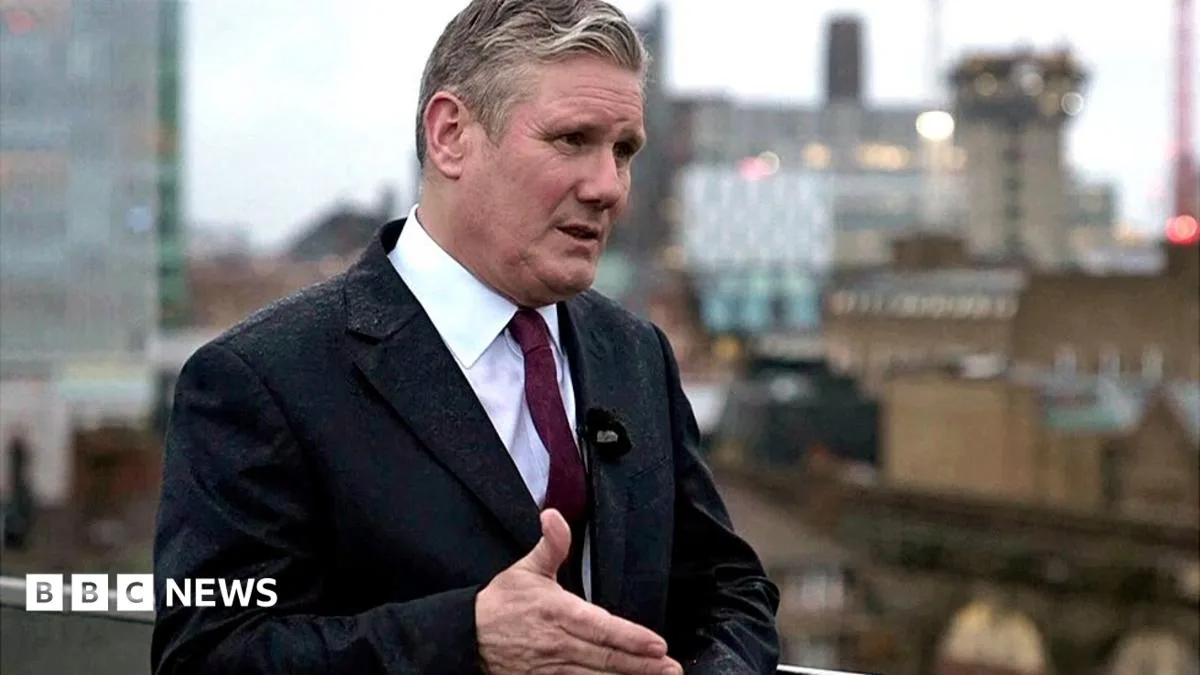
Sir Keir Starmer has defended his decision to abandon Labour's pledge to spend £28bn a year on green industries, insisting that changing course when circumstances change is a pragmatic necessity. The Labour leader spoke at the party's new headquarters, near Parliament, amid a storm of criticism over the retreat from a flagship commitment.
The U-turn has been marked by public confusion, with senior Labour figures contradicting one another over whether the policy would be kept. Critics argued that the spending figure would require significant borrowing or tax rises, while others suggested it was never achievable under the party's own fiscal rules. Labour's leader in Scotland, Anas Sarwar, described the £28bn target as arbitrary.
Sir Keir acknowledged that the practical outcomes of the policy would be largely unchanged, but admitted that dropping the headline figure was not an easy argument to make. He claimed that Westminster is the only place where changing your mind when circumstances change is treated as a weakness, and framed the shift as a sensible adjustment to reality.
Conservatives have seized on the reversal, pointing to Labour's support for Tory tax cuts and questioning the costings of remaining pledges. Labour, in turn, has cited the economic damage caused by Liz Truss's premiership. The party calculates that a short period of criticism over a U-turn is preferable to months of attack over an unachievable spending target.
Sir Keir's opponents argue that his record of reversals, including on bankers' bonuses, childcare, and overseas aid, reveals a lack of clear political identity. Others suggest that U-turns often bring a party closer to the opposition's position, eroding meaningful differences between the main parties, a trend highlighted at last autumn's Labour conference.




