

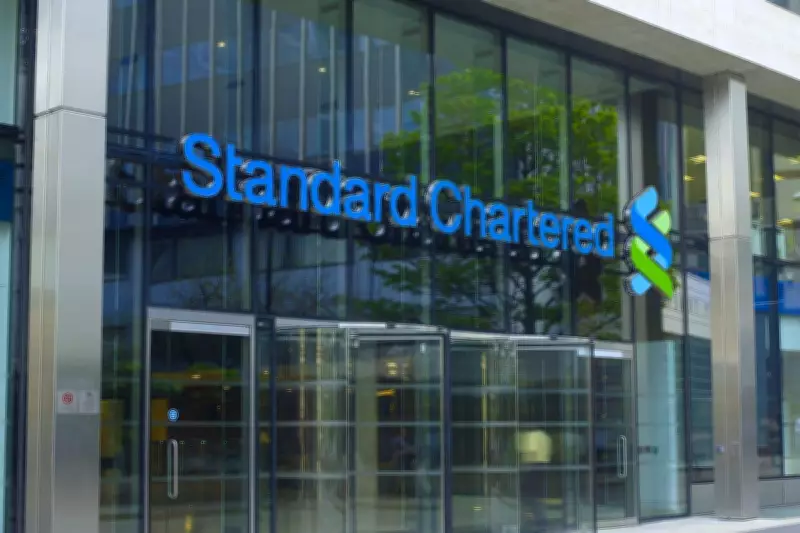
The London-based banking giant Standard Chartered has announced plans to cut approximately 7,800 jobs by 2030, a move that will affect more than 15 per cent of its back-office roles. The reductions are driven by the bank's increased adoption of artificial intelligence and automation technologies.
Strategic Shift Towards Automation
While the company did not specify which locations will be impacted, Standard Chartered operates corporate offices in Bengaluru, Shenzhen, and Warsaw, in addition to its London headquarters. The job cuts are part of a new strategy led by Chief Executive Officer Bill Winters, aimed at improving profitability and operational efficiency across the lender, which has significant operations in Asia.
Financial Targets and Efficiency Gains
Standard Chartered expects these changes to boost its return on tangible equity (RoTE) to over 15 per cent by 2028 and increase income per employee by approximately 20 per cent. The bank's increased reliance on AI and automation is a key component of this strategy, as it seeks to streamline operations and reduce costs in a competitive banking environment.

The announcement comes amid broader concerns about the impact of AI on employment. London Mayor Sadiq Khan has previously warned that AI risks becoming a 'weapon of mass destruction of jobs' if not managed carefully. However, Standard Chartered's move reflects a growing trend among financial institutions to leverage technology to enhance efficiency and shareholder value.






