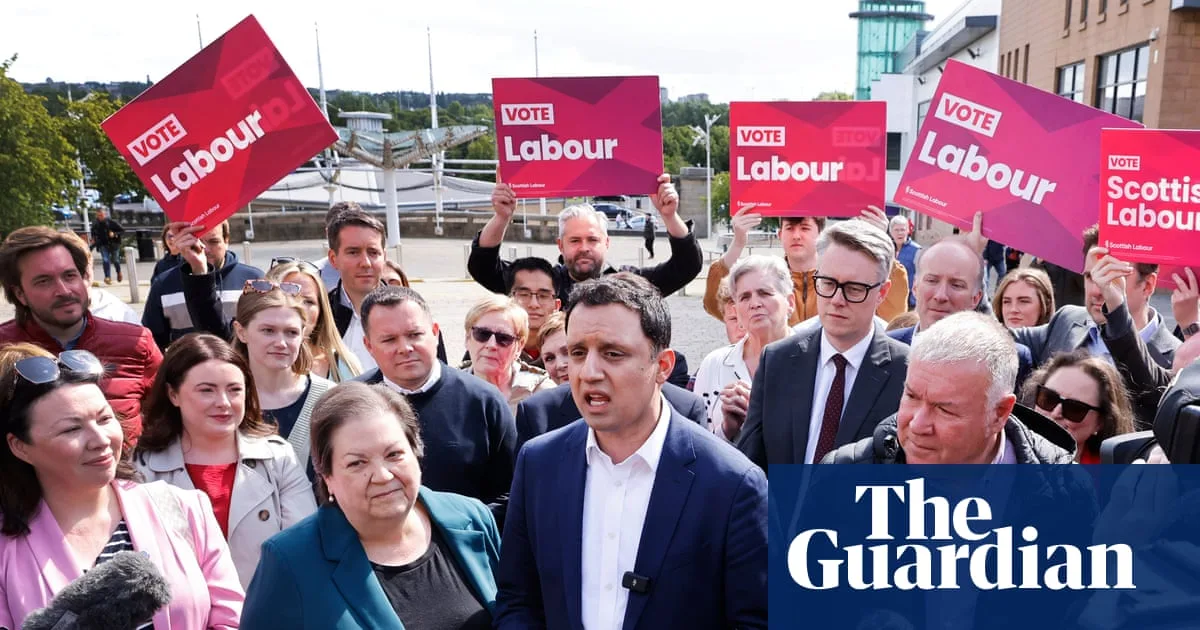
Scottish Labour leader Anas Sarwar has declared that his party's surprise byelection victory proves 'the SNP's balloon has burst', after candidate Davy Russell defeated the Scottish National Party and fended off a strong challenge from Reform UK in the Hamilton, Larkhall and Stonehouse seat.
Speaking at a victory rally in Hamilton town centre on Friday, Sarwar said the result defied pollsters, pundits and bookies who had predicted Reform might push Labour into third place. 'On the ground, people believe the SNP are done. The balloon has burst, people think they are a busted flush and they want them out,' he said.
Sarwar praised the party's ground campaign as 'the most significant and best ground operation in any constituency in the history of the Scottish Labour party', and argued that the result showed only Scottish Labour can beat the SNP in the 2026 Holyrood election. He also attacked Reform UK's 'dirty campaign', which included personal attacks on him by Nigel Farage that were condemned as racist, and criticised the SNP for 'spin, nonsense, and misinformation' that he said risked pushing voters towards the right-wing populists.

SNP leader John Swinney denied the accusation, saying the party's messaging was based on what voters were telling them on doorsteps, including anger over Labour's winter fuel payment cuts and a desire to vote Reform. He claimed the SNP had made progress in the byelection despite a damaging general election result last summer.
Reform UK came third with 26% of the vote, a significant gain for the party in Scotland, largely from a collapse in Conservative support from 18% in 2021 to 6%. The SNP lost almost 17% of its vote share, while Labour's share fell by 2%. Sarwar suggested Reform's support came from former Tories, protest voters, and those who believed the 'ludicrous' claim that the contest was a straight choice between Reform and the SNP.
Deputy leader Dame Jackie Baillie said the victory vindicated the party's strategy of focusing on doorstep campaigning, which also helped counter voter dissatisfaction with UK Labour leaders Keir Starmer and Rachel Reeves. Labour canvassers reported that lengthy engagement with voters on unpopular Westminster decisions had won many over.