Reform UK Unveils Radical Holyrood Election Manifesto with MSP and Quango Cuts
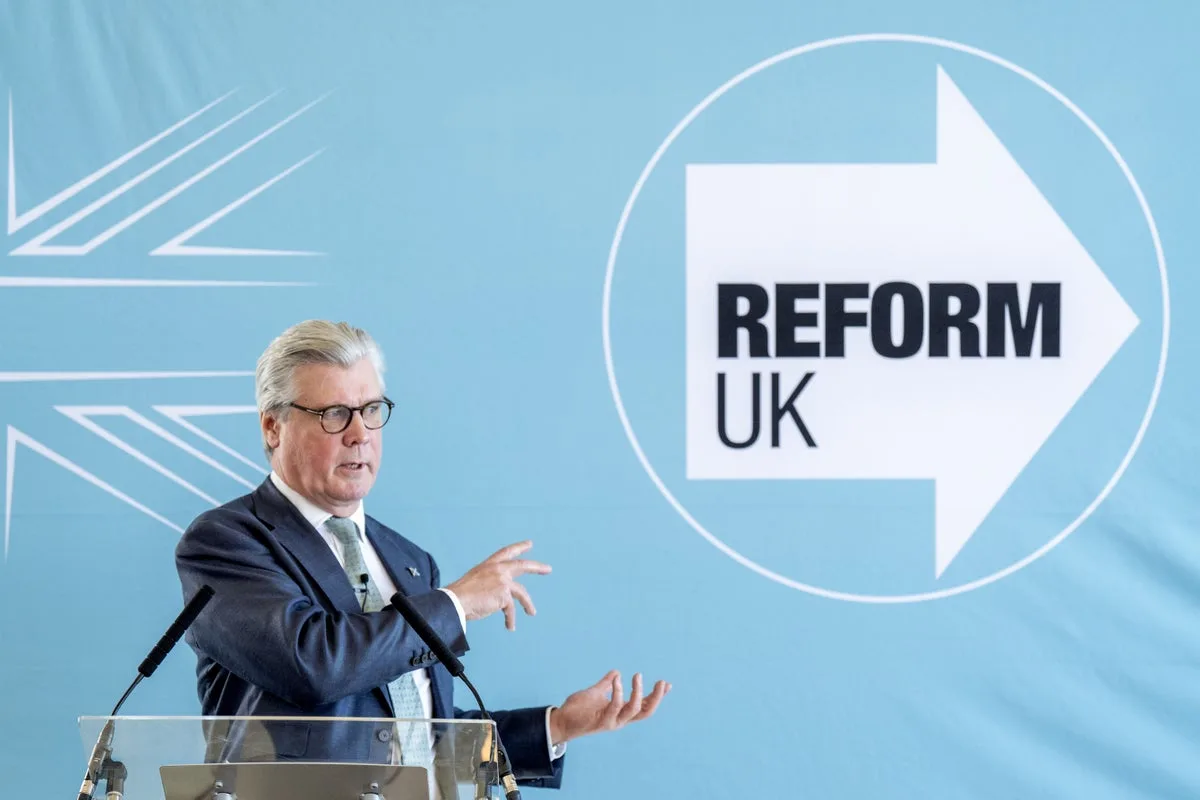
Reform UK has launched its policy platform for the upcoming Holyrood election, proposing significant reductions in the number of Members of the Scottish Parliament (MSPs) and the elimination of numerous quangos. The party announced its candidates and detailed its manifesto at an event held in Renfrewshire on Thursday, March 19, 2026, outlining a vision that prioritises economic growth and challenges current Scottish Government policies.
Major Structural Changes to Scottish Governance
Among the most striking pledges in the 27-page manifesto is a commitment to cut the number of Scottish Parliament constituencies from 73 to 57, which would directly reduce the total number of MSPs. This proposal aims to streamline parliamentary representation and potentially lower costs associated with the legislative body. Additionally, Reform UK has vowed to shut down quangos (quasi-autonomous non-governmental organisations) and transfer their powers back to democratically-elected ministers supported by the civil service.
Speaking at the manifesto launch, Scottish party leader Malcolm Offord indicated that a quarter of Scotland's quangos could be immediately abolished, with the possibility of scrapping them all initially and then reinstating only those deemed necessary. This approach reflects the party's broader critique of what it describes as excessive bureaucracy and mismanagement under the current administration.
Energy and Justice Policy Pledges
On energy policy, Reform UK has adopted a pro-fossil fuel stance, promising to scrap all net zero targets set by the Scottish Government and expedite planning processes for new energy projects. This includes fast-tracking initiatives such as open cast coal mining, marking a significant departure from the environmental goals pursued by other major parties. The party argues that these measures are essential for boosting economic growth and energy security in Scotland.
In the realm of justice, the manifesto addresses Scotland's struggling prison system by pledging to increase jail capacity and impose longer sentences on repeat offenders. While it remains unclear whether this would involve building new prisons, the proposal acknowledges that longer sentences could lead to a higher prison population, necessitating expanded facilities to accommodate the influx.
Leadership Vision and Electoral Context
Lord Offord emphasised the manifesto's ambitious vision for Scotland, stating, "Our manifesto presents an unashamedly ambitious vision for a prosperous and flourishing Scotland. One that prioritises economic growth and ordinary people above the virtue signalling and total mismanagement that Scots have become accustomed to for the past two decades." He urged voters to support Reform UK in the May election as the only way to end what he termed the SNP's 19 years of managed decline.
Reform UK chairman David Bull echoed this sentiment at the conference opening, warning that the stakes are incredibly high for both Scotland and the United Kingdom. He highlighted recent polling showing the party at 20% support in Scotland, positioning it in second place and competing closely with Labour. Bull described this as "utterly extraordinary" and framed the election as a critical opportunity for transformative change.
The manifesto launch underscores Reform UK's strategy to position itself as a viable alternative to traditional parties, focusing on governance efficiency, economic revitalisation, and a shift away from current environmental and social policies. As the Holyrood election approaches, these proposals are likely to spark debate over the future direction of Scottish politics and public administration.






