Reform UK's recent conference in Birmingham marked a significant shift from previous rallies, aiming to present the party as a credible political force. The two-day event at the NEC featured fringe events, business stands, and even some opposing views, a departure from the usual safe spaces for like-minded members. However, the gathering also highlighted the party's reliance on leader Nigel Farage and its limited number of MPs.
The conference included a fringe programme with discussions on prison rehabilitation, where Reform MP Sarah Pochin argued for reopening police stations by cutting spending on 'pronoun training'. The Antisemitism Policy Trust was invited to host an event on conspiracy theories, though an activist named Rupert claimed the former World Economic Forum leader was 'controlling world leaders', drawing weary reactions from the panel.
Business stands featured major names like First Group alongside cryptocurrency and gold bullion investments, the latter endorsed by Farage. The party's lack of star power was evident, with only four MPs and two ex-MPs in attendance. Defectors like Andrea Jenkyns and former Conservative minister Nadine Dorries helped fill the gap, but there are concerns that too many Tory defectors could undermine Reform's image as a new force.

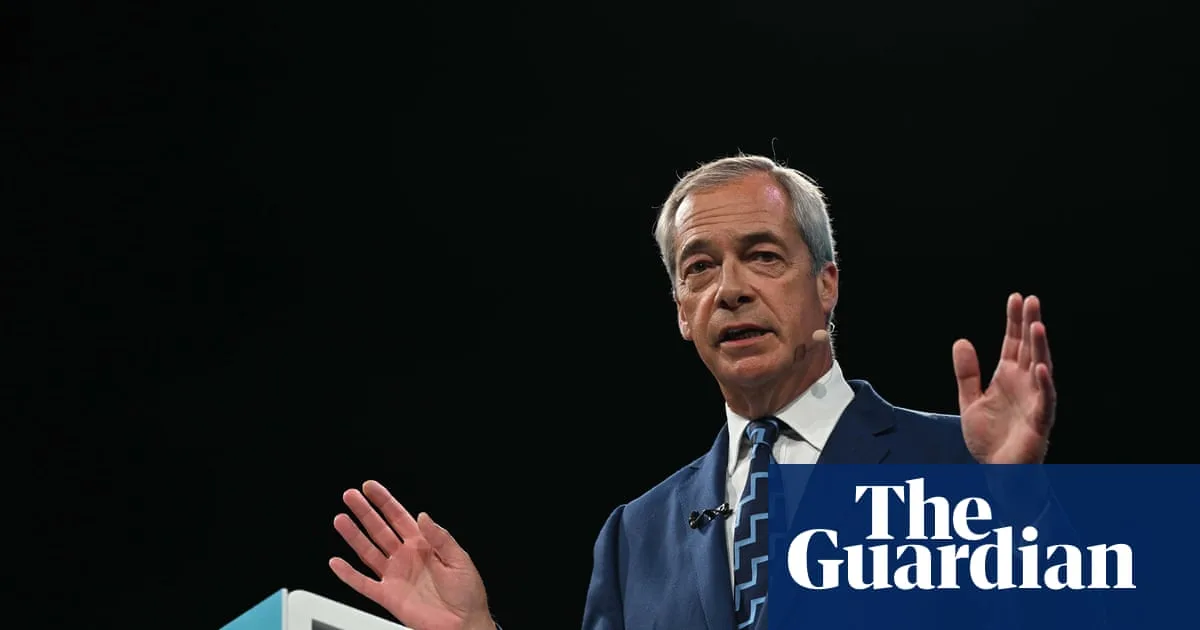
Farage's speech was moved to an earlier slot to capitalise on news coverage of Angela Rayner's resignation, underscoring his central role. Despite the party's ambitions to be in power by 2027, the conference suggested it may not yet be ready for government, though its belief in that goal remains strong.