
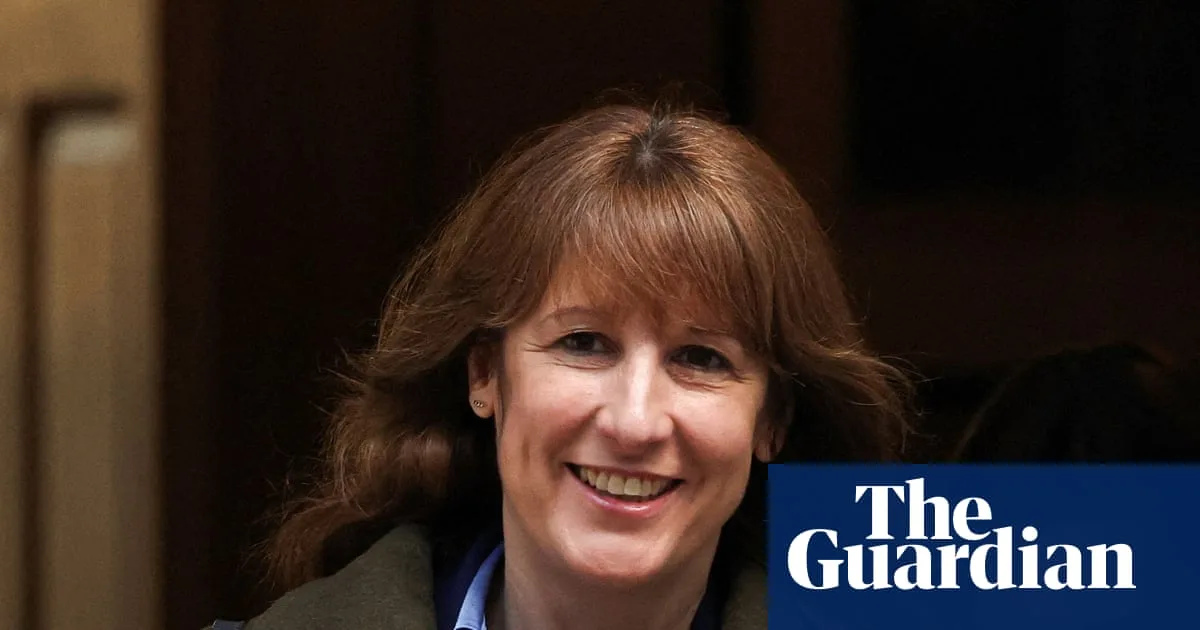
Rachel Reeves is under pressure to reassure MPs over the state of the UK’s public finances, amid concerns that the rising cost of special educational needs and disabilities (Send) could leave a significant hole in the government’s financial buffer. Meg Hillier, chair of the all-party House of Commons Treasury committee, said the chancellor should make clear her long-term plans for the £6bn-a-year Send bill as uncertainty grows over how it will be accounted for at the end of the decade.
Reeves, who is due to appear before the committee next month, said in a letter to MPs that she plans to delay a decision until next year. City analysts said financial market investors would be concerned if some or all of the £6bn Send annual cost was deducted from the budget surplus, which the chancellor more than doubled in last November’s budget to £22bn to cushion the UK against volatile government bond markets.
The spat between MPs and the Treasury comes after the Office for Budget Responsibility (OBR) said the £6bn Send bill was unaccounted for at the budget and expected increases to the bill over the next decade posed a risk to the public finances. The government said this week that it would cover up to 90% of historical debts related to spending by English councils on Send services.
Ministers said they will clear about £5bn of the debt up to 31 March this year, although councils must agree to revise how they offer Send services under plans expected to be outlined in an imminent white paper. It is unclear how billions of pounds of expected Send overspends between April 2026 and April 2028 will be handled. Ministers said they would “continue to take an appropriate and proportionate approach, though it will not be unlimited”.
English councils have seen the cost of providing Send services rise as the number of pupils that qualify for extra help has increased, and the mainly private providers have raised charges. The excess costs have been rolled over with the Treasury’s blessing as debts at arm’s length, or off balance sheet, to protect spending on other services. Successive chancellors have delayed allocating the costs since 2014 in a manoeuvre known as a “statutory override”.
In the November budget, Reeves said that from 2028-29 the cost of Send services would be taken over by Whitehall, but refused to say which department would account for the spending. The OBR estimated that the backlog of historical spending on Send, mostly paid for from borrowed funds by local authorities, will reach £18bn by 2028-29. Luke Sibieta, a research fellow at the Institute for Fiscal Studies, outlined several options for the government to address the £6bn gap, including slowing spending growth, topping up the schools budget, or reducing mainstream school funding.




