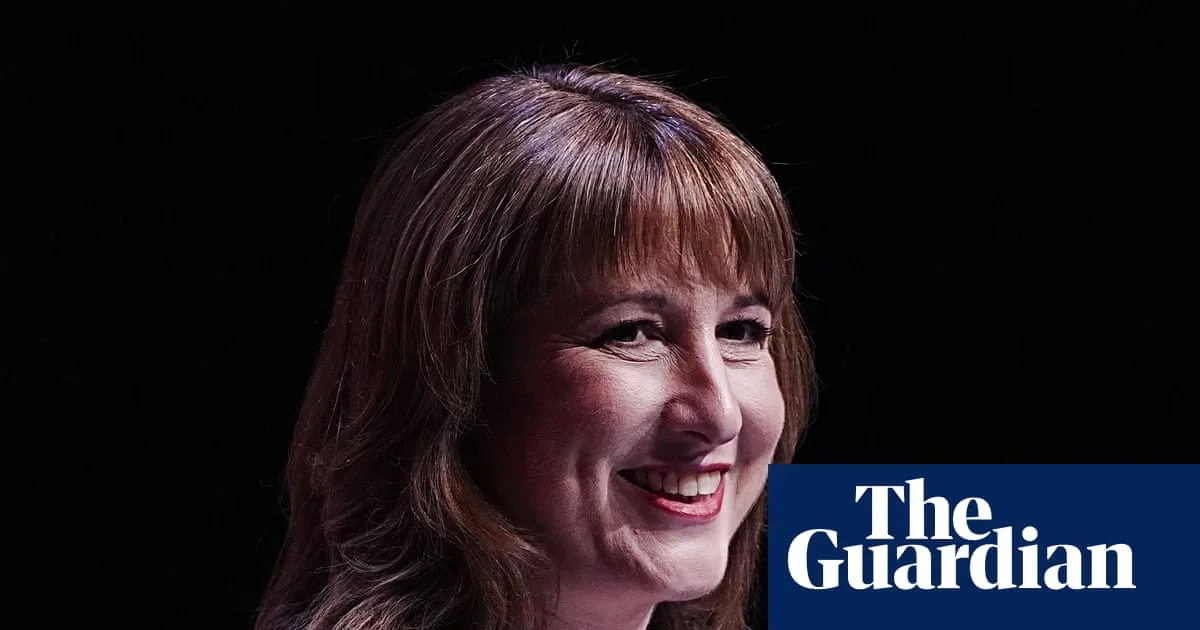
Chancellor Rachel Reeves has started laying the groundwork for a difficult budget next month, using a visit to Washington for the International Monetary Fund's annual meetings to address a domestic audience. In an interview with the Guardian, she warned of tax rises and spending cuts, blaming the Conservatives and Brexit for the economic challenges. Reeves insisted the package would not mean a return to austerity, adding that higher taxes on the wealthy “will be part of the story”.
Reeves argued that the public would understand the need for tough measures, saying: “I’m being honest and I think the British people respect that.” However, her credibility is under scrutiny after she claimed last year that the budget had wiped the slate clean and that such a budget would not be needed again. The chancellor also faces headwinds from an IMF report warning of worsening UK inflation, despite her description of the UK as a “beacon of economic stability”.
A key challenge for Reeves is a shift in the Office for Budget Responsibility’s productivity forecasts, which will produce a more pessimistic outlook. The Treasury has privately noted that the OBR could have made this adjustment in 2023, which would have made Jeremy Hunt’s pre-election national insurance cuts appear unaffordable. The chancellor’s PR strategy aims to present the budget as pro-growth, but observers question whether the public will accept that narrative amid ongoing cost-of-living pressures.