
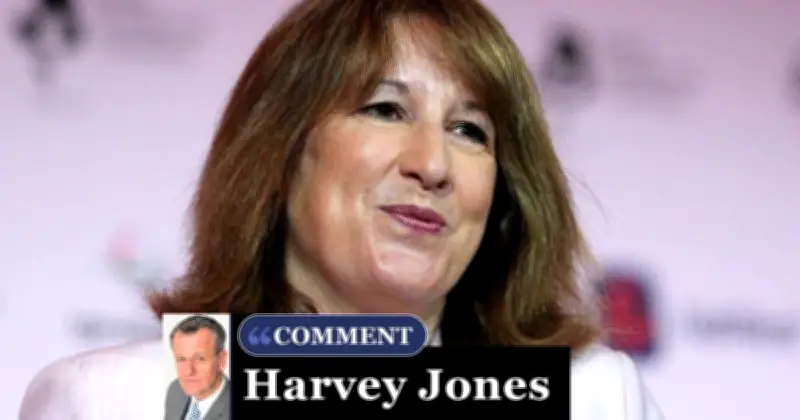
Former chancellor Rachel Reeves has defended her time in office, claiming her tenure made Britain "stronger" during a speech at Harvard University in the US. The remarks have drawn sharp criticism from those who point to a series of tax increases, rising unemployment, and a record national debt during her time at the Treasury.
Reeves Defends Record at Harvard
In her first major speech since leaving office, Reeves said her decisions had strengthened the country. Critics, however, argue the opposite, citing a string of policy U-turns and what they describe as costly and impractical measures that have weakened the economy.
Among the decisions highlighted is the winter fuel payment change, which was intended to establish her reputation as a so-called "Iron Chancellor" but instead became the first of several humiliating reversals. She also warned of "tough choices" ahead of her first Budget before introducing £40 billion of new taxes.
Jobs Tax and Rising Unemployment
Her single biggest blunder, according to critics, was the £25 billion jobs tax, which made employing staff more expensive, particularly young people. Unemployment has since risen by 250,000 since July 2024, with many young people struggling to find work.
Reeves did not apologise for the tax blitz on savers, pensioners, workers, inheritances, farmers, and family businesses, nor for the Cash ISA shambles that John Healey quickly reversed. A second Budget added another £25 billion in taxes. She also claimed her decisions saved families up to £800 on their mortgages, a figure disputed at a time when mortgage rates are rising.
Borrowing and Debt Under Scrutiny
Reeves described her taxes as "difficult choices" needed to end Britain's "failed austerity experiment." However, the country has not run a budget surplus in 25 years, which critics say is profligacy rather than austerity.
She also claimed to have limited borrowing, despite the national debt increasing by around £250 billion towards today's record £3 trillion. She boasted of leaving £24 billion of fiscal headroom, a figure John Healey quickly had to halve. The rest of her speech blamed Brexit for various issues and suggested rejoining the EU as a solution.
Critics suggest Reeves and Liz Truss, who also recently defended her own legacy, are equally delusional and should perhaps form a political nostalgia act. Reeves is reportedly angling for a job in the City, a US university, or an EU talking shop, though prospective employers are advised to scrutinise her CV carefully.




