Rachel Reeves Warns of Budget Cuts to Fund Defence Spending Rise
Reeves: Defence Boost May Require Welfare Cuts

Rachel Reeves Signals Tough Budget Choices to Boost Defence Spending

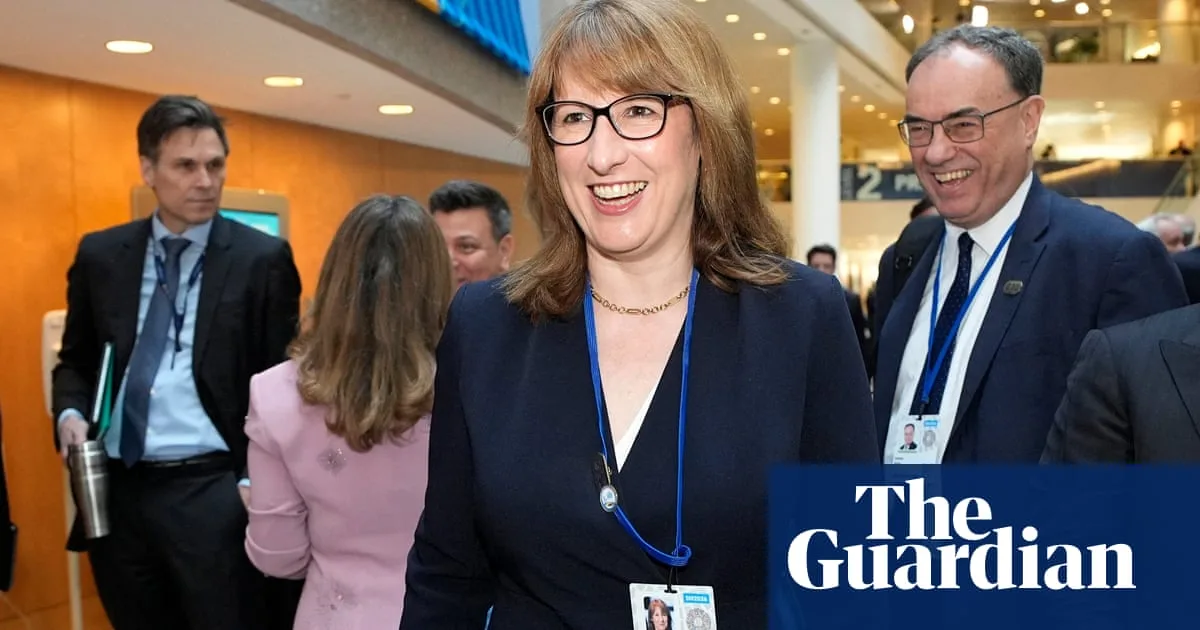
Chancellor Rachel Reeves has issued a stark warning that increasing defence expenditure may necessitate significant cuts to other government budgets, including welfare. Speaking at the International Monetary Fund spring meetings in Washington DC, Reeves emphasised that national security must take precedence, even if it leads to difficult fiscal decisions.

Pressure Mounts for Military Budget Increase

Reeves faces mounting pressure to accelerate defence spending rises amid escalating global conflicts, including the war in Ukraine and tensions in the Middle East. The chancellor confirmed she is actively exploring a range of options to bolster the armed forces but firmly ruled out increasing taxes or adding to government borrowing as viable solutions.

"My two budgets have both increased taxes substantially. I would prefer not to have to do that again," Reeves stated. "And on borrowing, well look, we've seen through this conflict the cost of government borrowing increase. We already spend £1 in every £10 on servicing the debt. If we increase that debt further we'd only be increasing how much we would be spending."

Wide Pickt banner — collaborative shopping lists app for Telegram, phone mockup with grocery list

Welfare Cuts Under Consideration

While refusing to specify which budgets might face reductions, Reeves strongly hinted that welfare spending could be targeted. Her comments align with those of Health Secretary Wes Streeting, who earlier suggested welfare cuts might be necessary to address global security challenges.

"National security always comes first," Reeves declared. "I'll always do the right thing as chancellor for our country." However, she confirmed Labour remains committed to maintaining the pensions triple lock, stating unequivocally: "We're not changing that."

Defence Spending Trajectory and Economic Constraints

UK defence spending is projected to reach 2.6% of GDP by April next year, exceeding manifesto commitments from both major parties. Reeves highlighted her previous budgets delivered the largest defence spending increase since the Cold War ended, asserting: "To have a strong and secure economy you've got to have strong defences and strong national security."

The chancellor acknowledged the economic shock from Middle East conflicts has limited her fiscal flexibility. The IMF recently warned that further escalation could trigger a global recession affecting the UK more severely than other G7 nations, while government debt approaches post-World War II highs.

Reeves Criticises Previous Government's Approach

Reeves contrasted her proposed targeted measures with the blanket support approach implemented by Liz Truss's Conservative government following Russia's invasion of Ukraine. She noted the previous subsidies, costing over £100 billion, disproportionately benefited wealthier households while contributing to higher inflation, interest rates, and eventual tax increases.

"I think the best way to help families in Britain and to help businesses as well is to do everything I can to keep prices, costs and interest rates down," Reeves concluded, suggesting future support measures would need funding through budget reprioritisation rather than new borrowing.

The chancellor's remarks indicate a willingness to confront internal party opposition to achieve defence spending goals, stating: "I think people have seen that I'm willing to make difficult choices and challenge the orthodoxy." As geopolitical tensions intensify with Donald Trump's NATO withdrawal threats, Reeves's budget decisions will face intense scrutiny from both political allies and opponents.

Pickt after-article banner — collaborative shopping lists app with family illustration