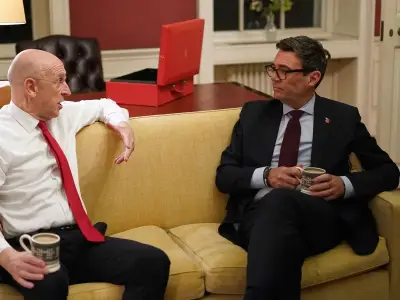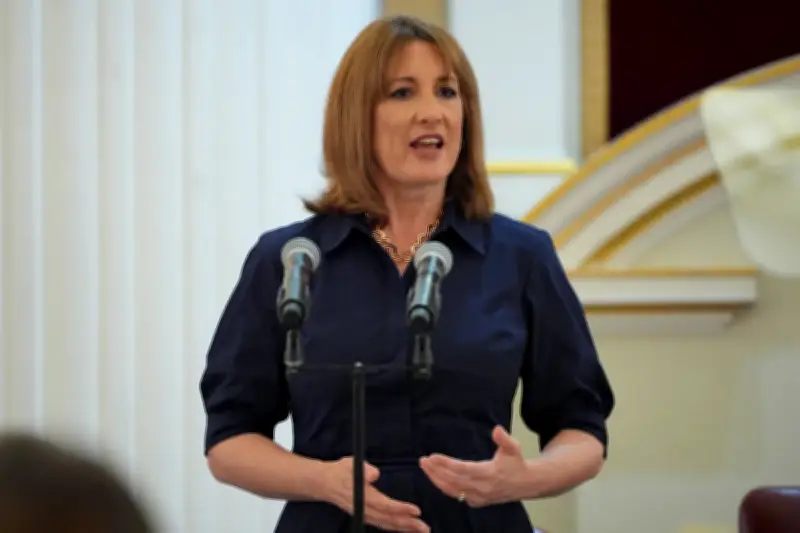
Former chancellor Rachel Reeves has said the UK should return to the European Union, arguing that Brexit has made the country “poorer, weaker and less secure”.
In her first major intervention since leaving the Treasury, the Labour former Cabinet minister backed Andy Burnham’s stance on potentially deepening ties with the EU.
Reeves backs closer EU ties
Writing in The Sunday Times, Reeves said she welcomes the Prime Minister’s “leadership” after his remarks in recent days fuelled questions about the prospect of Britain returning to the bloc or adopting its freedom of movement rules.
Burnham wants to lock in deals on food and drink, emissions trading and a youth mobility scheme at a summit with the bloc next month, but told ministers that the period beyond that would be to “explore options” for the long-term relationship.
Call for reform at home
Elsewhere in her piece, Reeves urges colleagues to go further in ripping up green rules and judicial review powers that slow building, and do more to protect the City of London.
Reeves, who was sacked as chancellor by Burnham when he took office, said: “I am proud of the progress we have already made in strengthening our relationship with the European Union.
“Brexit has made us poorer, weaker and less secure.
“There is a debate to be had about our future relationship with Europe, and I welcome Andy Burnham’s leadership in facing up to this. No one in the Treasury ever doubted where my instincts were.”
“I do believe Britain’s future lies in the European Union”, she added. “However, it is incumbent on supporters of our re-entry to make the argument, demonstrate tangible benefits and to get the next steps right — especially ahead of the UK-EU summit later this month, where at a minimum we should be looking for confirmation of the ambitious youth mobility scheme negotiated earlier this year, and — I hope — progress towards entry into the SAFE defence partnership.”
Public to decide on future relationship
Any options on Britain’s future relationship with Brussels will eventually be put to the public, but the Prime Minister earlier this week warned individual ministers it would not be appropriate “to advocate for specific options or opine on the likely outcome of the process”.
In a letter to his Cabinet, Burnham said any “fundamental change” to post-Brexit arrangements would be “for the public to decide” and left to the next parliament.
A poll of Londoners last month showed two thirds believe Britain should rejoin the European Union. The YouGov survey suggested 67% of adults in the capital favour reversing Brexit, as championed by London Mayor Lord Sadiq Khan, after the economic damage it has inflicted on the capital and the rest of the UK.
The figure compares to 44% in the Midlands, 48% for the rest of the South and 50% in the North. In a stark sign of plummeting support for Brexit, just 15% of Londoners would now vote to remain outside of the EU, according to the poll, down from 40% for Leave in the capital at the referendum ten years ago.