
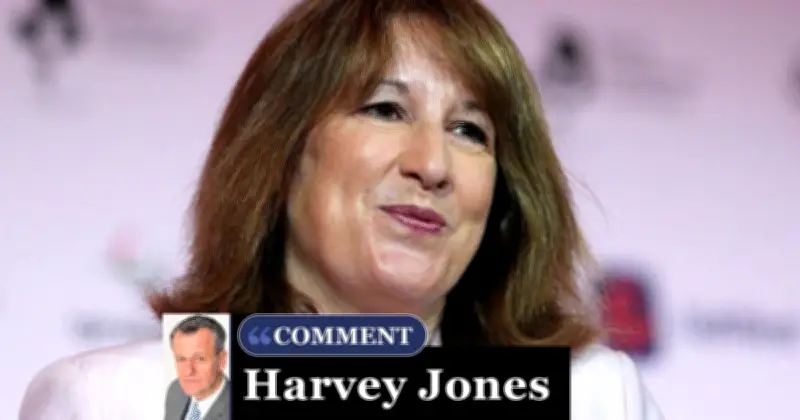
Former chancellor Rachel Reeves has defended her record in office, telling an audience at Harvard University in the US that her tenure made Britain "stronger". The claim has drawn sharp criticism from commentators who point to rising unemployment, higher taxes and a growing national debt during her time in the role.
Reeves Defends Legacy in Harvard Speech
Reeves made her first major speech since leaving office at Harvard University, where she sought to defend her legacy as chancellor. The speech comes a week after former prime minister Liz Truss publicly defended her own time in power, blaming everyone but herself for her downfall.
Critics argue that both Truss and Reeves are refusing to accept responsibility for the economic damage during their tenures. The article notes that Boris Johnson and Keir Starmer were also removed by their own parties, suggesting voters are unlikely to want any of them back.
Economic Record Under Scrutiny
The criticism focuses on several key decisions made by Reeves during her time as chancellor. These include the winter fuel payment changes, which were intended to establish her reputation as an "Iron Chancellor" but led to a series of humiliating U-turns.
Reeves also warned of "tough choices" ahead of her first Budget before introducing £40 billion of new taxes. Her single biggest blunder, according to the article, was the £25 billion jobs tax, which made staff more expensive to employ, particularly young people.
Unemployment and Tax Burden
The article claims unemployment has risen by 250,000 since July 2024 as a result of these policies. It also highlights the impact on high streets and the younger generation struggling to find work.
Reeves did not apologise for her tax increases on savers, pensioners, workers, inheritances, farmers and family businesses, nor for the Cash ISA changes that were quickly reversed by John Healey. A second Budget added another £25 billion of taxes.
Debt and Fiscal Claims Questioned
Reeves claimed her decisions saved families up to £800 on their mortgages, a statement the article disputes given rising mortgage rates. She also described her tax measures as "difficult choices" needed to end Britain's "failed austerity experiment".
The article counters that the UK has £3 trillion of debt and has not run a budget surplus in 25 years, calling this profligacy rather than austerity. It also claims Reeves increased the national debt by around £250 billion and pushed the tax burden to a post-war high.
Reeves boasted of leaving £24 billion of fiscal headroom, although John Healey has already had to halve it. The rest of her speech blamed Brexit for economic problems and suggested rejoining the EU as a solution.
The article concludes that Truss and Reeves are equally delusional, suggesting they could form a political nostalgia act touring the country. It advises prospective employers to examine Reeves's CV closely before offering her a job in the City, a US university or an EU institution.




