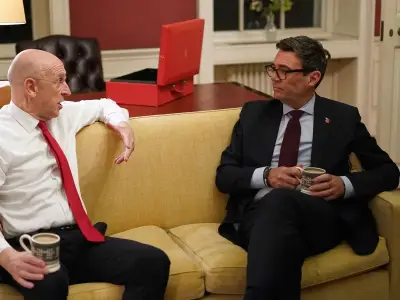
Sir Jacob Rees-Mogg, the former Leader of the House of Commons, has strongly criticised Prime Minister Andy Burnham for saying he is “open” to Britain apologising for its role in the transatlantic slave trade. The senior Conservative described the comments as those of an “insignificant mayor” rather than a Prime Minister.
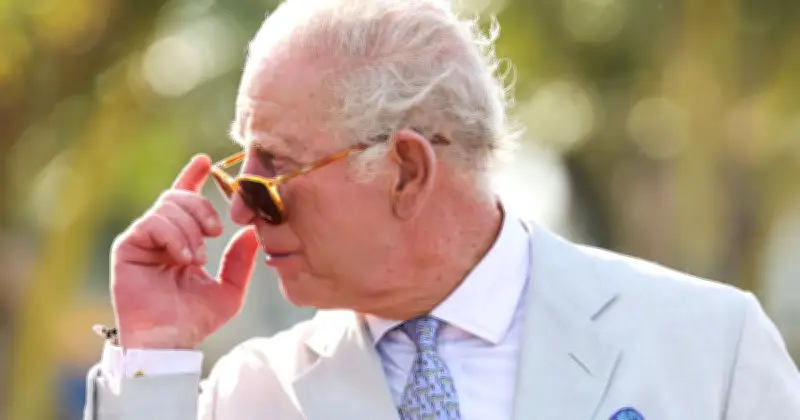
Speaking to the Express, Sir Jacob said: “An apology is the first step to reparations and there is no reason for one. Britain ended the slave trade but slavery remains rife today in countries that are now criticising us. Burnham’s comments are those of an insignificant Mayor, not a Prime Minister, and are especially unwelcome while the King is picking his way with great diplomatic skill through a difficult foreign trip.”
Warnings of a Major Blunder
Earlier today, former Brexit minister David Jones also warned that the Labour leader had committed a major blunder. He said: “Andy Burnham has demonstrated his lack of both judgment and experience. An apology would be seized on by reparations campaigners as a downpayment, with British taxpayers expected to foot the bill for crimes committed centuries before they were born. His assurance that he would not pay will do nothing to discourage those demands.”
Mr Jones added: “To float this idea while the King is overseas, faithfully following his Government’s advice not to apologise, is astonishingly irresponsible. Burnham has let his own sovereign down and handed campaigners a weapon to use against him. The King is there to strengthen Commonwealth ties, not to be left exposed by the British Prime Minister’s ineptitude.”
Burnham's Position on Reparations
Ahead of an imminent meeting of the Commonwealth heads of government in St John's, Antigua and Barbuda, Mr Burnham said Britain is offering a “structured dialogue with those affected by the transatlantic slave trade.” He added: “Listening to calls for a formal apology on behalf of the British state will form an important part of this process, and I am open to them.”
He made clear his opposition to financial reparations, saying: “I do not think that British people today can be held liable for historical wrongs, however heinous, that happened in a different age under different laws and in which they played no personal part.”