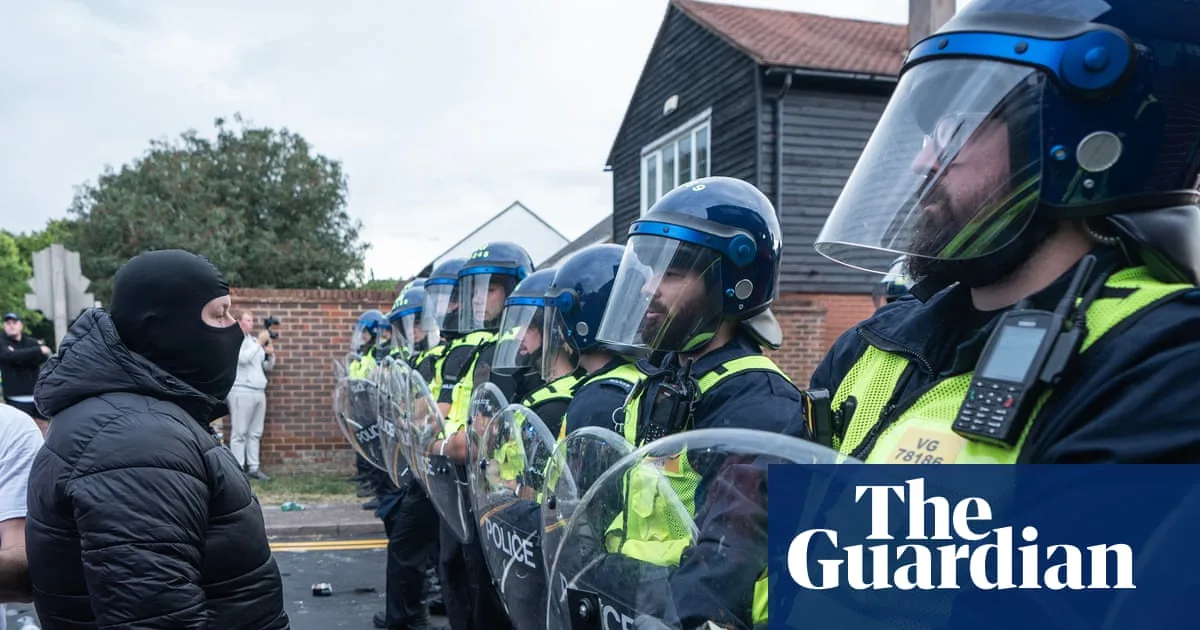
Deputy Prime Minister Angela Rayner has warned that immigration, deprivation, and increasing social isolation are driving public disenchantment with politicians, contributing to social unrest and rioting. Speaking at a cabinet meeting on Tuesday, Rayner highlighted that 17 of the 18 areas in England that experienced the worst disturbances last summer were among the most deprived in the country.
Rayner, who leads a government project on social cohesion, told ministers that economic insecurity, de-industrialisation, immigration, technological change, and declining trust in institutions were having a profound impact on society. She emphasised that while Britain is a successful multi-ethnic, multi-faith country, the government must show it has a plan to address people's concerns and provide opportunities for everyone to flourish.
Downing Street acknowledged that high levels of immigration over the past decade, including illegal immigration, were among factors affecting social fabric and cohesion, alongside the cost of living and technological change. The prime minister's official spokesperson noted that adults now spend an average of four hours online daily, changing how people interact.

Ministers are concerned about potential renewed disturbances as the anniversary of the Southport attack approaches, which sparked far-right riots last summer. A flashpoint could be an asylum hotel in Epping, Essex, where far-right agitator Tommy Robinson has called for a mass protest. The government is investing £1.5bn in 75 deprived areas over the next decade through Rayner's neighbourhood plan, but no date has been set for conclusions.