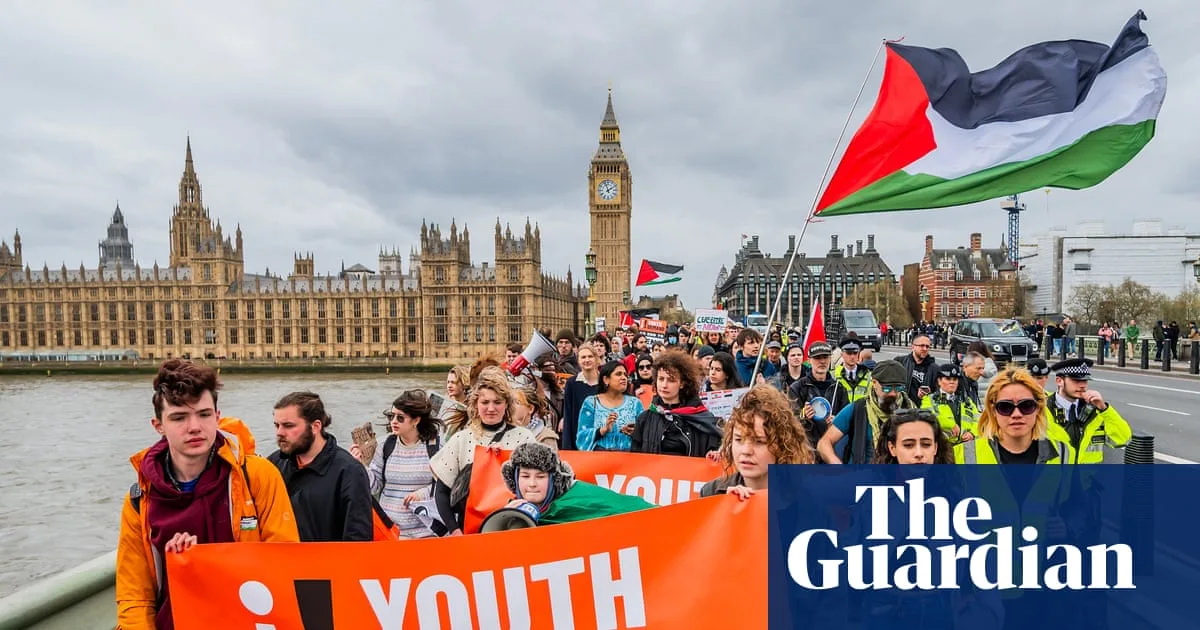
The Metropolitan Police have been accused of disproportionately using new stop and search powers against pro-Palestine protesters, with civil liberties group Big Brother Watch finding that 40 out of 47 uses of the power occurred at a single Gaza protest in July 2024.
The powers, introduced under Section 11 of the Public Order Act 2023, allow suspicionless searches in areas where an inspector believes offences such as public nuisance may be committed. However, none of the 40 searches at the Youth Demand protest in Russell Square Gardens led to an arrest, prompting criticism that the powers were used without justification.
Jake Hurfurt, head of research at Big Brother Watch, said the data gave an 'alarming impression of police selectively targeting protesters'. He noted that the protest took place in the constituency of Prime Minister Keir Starmer, underlining concerns about stifling protest rights.

The group also found that Section 11 powers were not reported as used during last year's far-right riots after the Southport attack, despite accusations of 'two-tier policing' from some right-wing figures. The Equality and Human Rights Commission has written to the Home Secretary and Met Commissioner expressing concern over the approach to Gaza protests.
A Met Police spokesperson defended the use of the powers, stating they have a duty to intervene where protest causes serious disruption or crosses into criminality, and that their approach is independent of politicians.