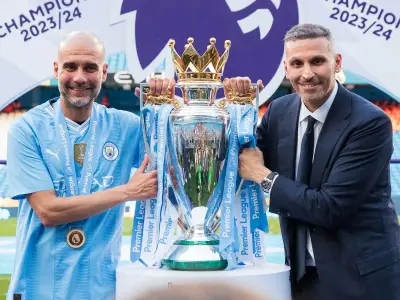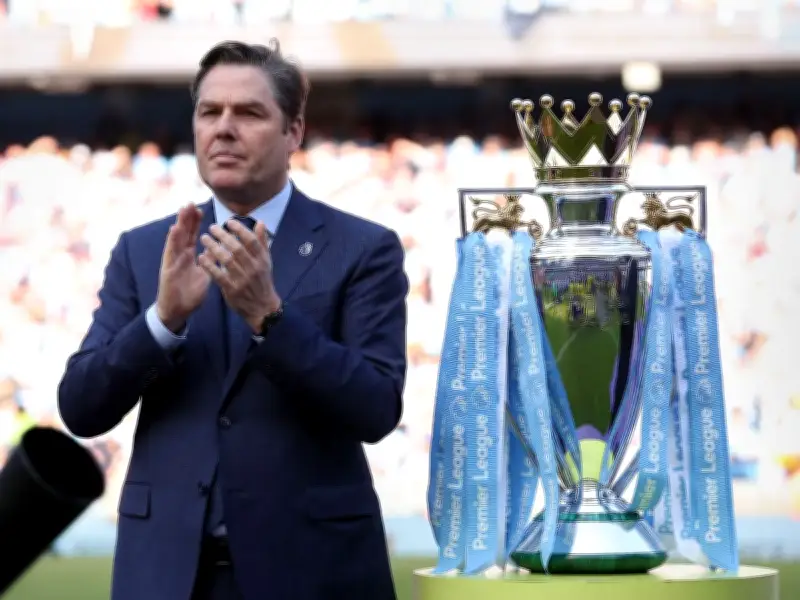
The Premier League is receiving plaudits for its statement on Manchester City, but questions remain over why the club's cheating went unnoticed for so long.
Premier League CEO Richard Masters is earning praise, but the organisation has little to be proud of, according to Mirror Football Chief Sports Writer Andy Dunn.
The scale of the cheating
The independent commission laid bare cheating on a remarkable scale. Across the nine seasons from 2009/10 to 2017/18, City claimed commercial income of £949.94 million when only £119.25 million had come from sponsors.
The sins are simple: City created sham commercial agreements to falsify revenue so they could spend more on players without breaching the Premier League's financial regulations. In 2009/10, City's recorded sponsorship income was £27 million. In 2012/13, they claimed £121.75 million.
Questions over the Premier League's role
It is hard to believe no one in the Premier League's headquarters, where there is supposedly a compliance unit, considered this jump in sponsorship income to be odd. It kept rising until in 2017/18 it stood at £145.73 million, only £11 million of which was actually paid by sponsors.
The investigation was only prompted by the Portuguese hacker Rui Pinto and his Football Leaks website, which published internal emails from City detailing schemes to cover up true sources of income.
The impact on the league
City are the culprits in the worst example of systemic cheating in the history of British sport. The punishment has to be draconian. But the Premier League has played its part in a mess so damaging that it is hard to know where to start.
Almost two decades of the Premier League has been a sham. The nine seasons investigated cannot be separated from the eight that followed. City have won eight league titles since 2012. It is some mess, and it is City's fault. But the Premier League has little to be proud of either.