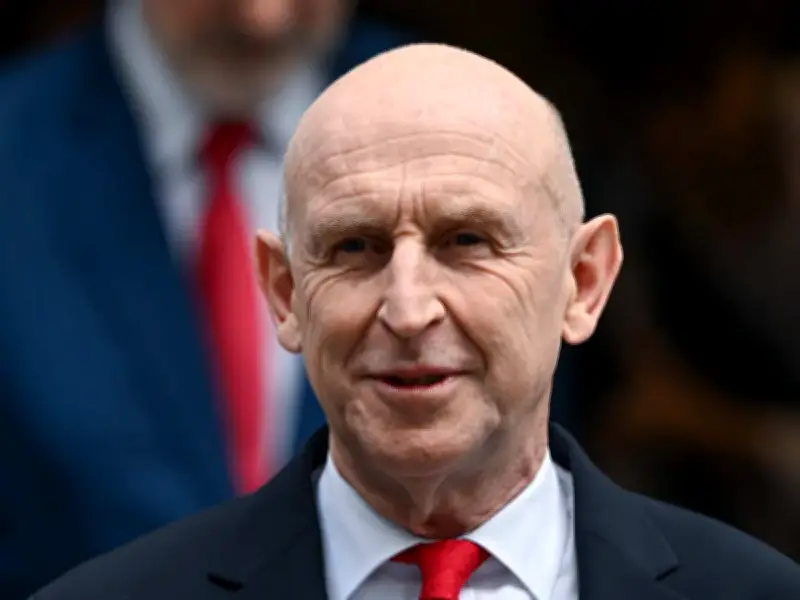
A petition calling on Chancellor John Healey to raise the frozen personal allowance from £12,570 to £20,000 has passed 10,000 signatures, meaning the Treasury is now obliged to provide a formal response. The petition, which has until Saturday to run, was created by Wade Reid and urges the government to increase the lowest tax threshold amid rising living costs.
Income tax thresholds have been frozen since 2021 and, under current plans, will remain so until 2031. In last month's Budget, Mr Healey made no changes to this arrangement, despite widespread demands for reform. The freeze has continued to pull more earners into paying income tax or moving into higher brackets as wages rise, a phenomenon known as "fiscal drag".
Campaign reaches key milestone
The petition states: "The personal allowance has been frozen since 2021 while living costs have risen sharply, meaning workers are paying more tax in real terms. As wages increase slightly to keep up with inflation, more people are pulled into paying tax or higher rates. Increasing the threshold to £20,000 would put more money into millions of workers' pockets, ease financial pressure, and support low and middle earners during a cost of living crisis."
The basic Personal Allowance in the UK stands at £12,570 for the 2026/27 tax year, the sum one can earn annually before becoming liable for 20 per cent income tax. The higher 40% rate applies from £50,271, while the additional 45% rate kicks in at £125,140. Independent figures indicate that a basic-rate earner (£20k-£50k) pays approximately £700 to £800 more in tax each year solely as a consequence of the freeze.
Chancellor defends Budget decisions
Mr Healey made no amendments to the allowances in the Budget, though he hinted to ITV viewers that potential "bigger changes" could be on the horizon. During his ITV programme, personal finance expert Martin Lewis put forward a question from viewer Michael: "Will the Chancellor be honest and admit he's raising taxes on working people by stealth by continuing the freeze on tax thresholds? He is being totally disingenuous."
Martin asked: "When will you raise tax thresholds?" Mr Healey replied: "Well, our promise was not to raise rates across the board and this was a budget unlike in some previous years where I rejected the idea of broad-based tax rises because it isn't just businesses, it's individuals and households that are under pressure."
He added: "So where I could avoid that, I decided I should do that. And it was a budget, if you step back, that was designed to take action where we could just to help take a bit of pressure off people, give people a bit of breathing space, which we've done, especially on energy. And it was a budget also designed to try and do that a bit for business."
Fiscal drag impact on taxpayers
Martin challenged the assertions surrounding working people's taxes, contending that fiscal drag was doing exactly that: "Forgive me, this specific question. You said in the speech yesterday, we are not raising taxes on working people. Well, by all definitions, the fiscal drag, the freezing of the tax thresholds is the biggest tax that has ever been raised in recent history. You accept you are while you're not raising tax rates, you are increasing taxes."
Mr Healey responded: "In truth, it is part of any government's revenue and judgments about thresholds as well as rates are part of the judgments that have to be taken, and the plans for the thresholds have been set for the next few years. And I took the decision in this budget that I wouldn't touch those and I would do what I can where I could to help people. And then make some bigger changes for the long term. Because fundamentally we've got parts of our system that needs fixing."
According to the most recent HMRC figures, there are 31.4 million basic-rate taxpayers across the country. That represents a 15% rise in the number of people paying income tax at 20% since tax bands were frozen at 2021 levels. A total of 7.7 million people are expected to pay the higher rate this year, a rise of a million compared to two years previously. An additional 1.3 million individuals are forecast to pay the 45% additional rate, significantly more than the 263,000 people paying it in 2010-11 when it was first introduced.
Had the threshold kept pace with inflation, it would stand at approximately £16,072 next year and £17,380 by 2029-30, according to research by AJ Bell. Should Mr Healey choose to raise the personal allowance to £16,000, this would come at a cost of roughly £35bn, the investment platform highlighted. Increasing the allowance by just £100 would cost the Treasury around £1bn annually.