Sir Olly Robbins Dismissed Following Mandelson Vetting Controversy
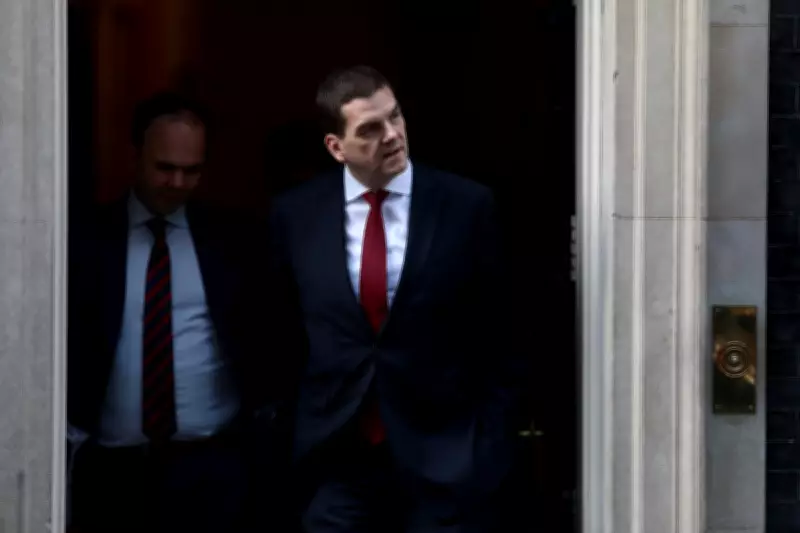
Sir Olly Robbins, the most senior civil servant at the Foreign Office, has been sacked from his position after revelations emerged that the department overruled security vetting for Lord Peter Mandelson's appointment as UK ambassador to the United States. The 50-year-old official, who had served three prime ministers at Number 10, was removed following a loss of confidence from Prime Minister Sir Keir Starmer and Foreign Secretary Yvette Cooper.
Security Override Sparks Political Fury
Security officials had initially denied clearance for the disgraced Labour peer, but Foreign Office officials took the highly unusual step of overriding this critical recommendation. Sir Keir Starmer has expressed fury that he was not informed about this decision, which was made in early 2025, and has faced mounting calls for his resignation over the scandal. The prime minister has firmly rejected these resignation demands while taking decisive action against those responsible.
Who Is Sir Olly Robbins?
Sir Olly Robbins first emerged into the political spotlight during the tumultuous Brexit years, where he became a central figure behind former Prime Minister Theresa May's troubled Brexit deal. The Oxford-educated civil servant consistently faced criticism for his role in negotiations, particularly from Eurosceptics who accused him of thwarting the Brexit process. He assumed control of negotiations with the European Union midway through talks after then Brexit Secretary David Davis was sidelined due to lack of progress, though the resulting deal was repeatedly rejected by the House of Commons.

A Distinguished Yet Controversial Career
Before his Brexit fame, Robbins had worked for every prime minister since Sir Tony Blair, establishing himself as a highly influential yet low-profile civil servant. The public schoolboy transitioned directly from studying politics, philosophy and economics at Oxford University to the Treasury in 1996, where he rose steadily through the ranks until Sir Tony Blair personally approached him to become his principal private secretary.
Following the 2010 general election, then Prime Minister David Cameron appointed Robbins as deputy national security adviser, where he held responsibility for intelligence, security and resilience matters. In this sensitive role, he notably negotiated with The Guardian newspaper regarding how to limit its reporting of material leaked by former US intelligence contractor Edward Snowden, which included classified documents relating to both the CIA and GCHQ.
Private Sector Interlude and Return to Government
Robbins left government service in 2019, before Boris Johnson assumed office, and embarked on a successful private sector career. He worked for Goldman Sachs as a managing director of the bank's investment banking division and later for Hakluyt, a global strategic advisory firm specializing in intelligence and geopolitical analysis.
Sir Keir Starmer brought Robbins back into government by appointing him head of the Foreign Office in January 2025. Remarkably, he had been in this prestigious position for just three weeks when the fateful decision regarding Lord Mandelson's security clearance was made. Robbins had previously been honored with a knighthood as a Knight Commander of the Order of Saint Michael and Saint George in Baroness May's resignation honours, an award specifically recognizing extraordinary services abroad.
Broader Implications for Government Security
This scandal raises serious questions about security protocols within the highest levels of government and the relationship between political appointments and national security considerations. The decision to override established vetting procedures for a controversial political figure like Lord Mandelson, who has faced multiple controversies throughout his career, suggests potential systemic issues within the Foreign Office's decision-making processes.

The dismissal of such a senior and experienced official highlights the gravity of the security breach and the government's determination to address accountability concerns. As investigations continue into how this override occurred and who else might have been involved, the incident serves as a stark reminder of the delicate balance between political considerations and national security imperatives in diplomatic appointments.