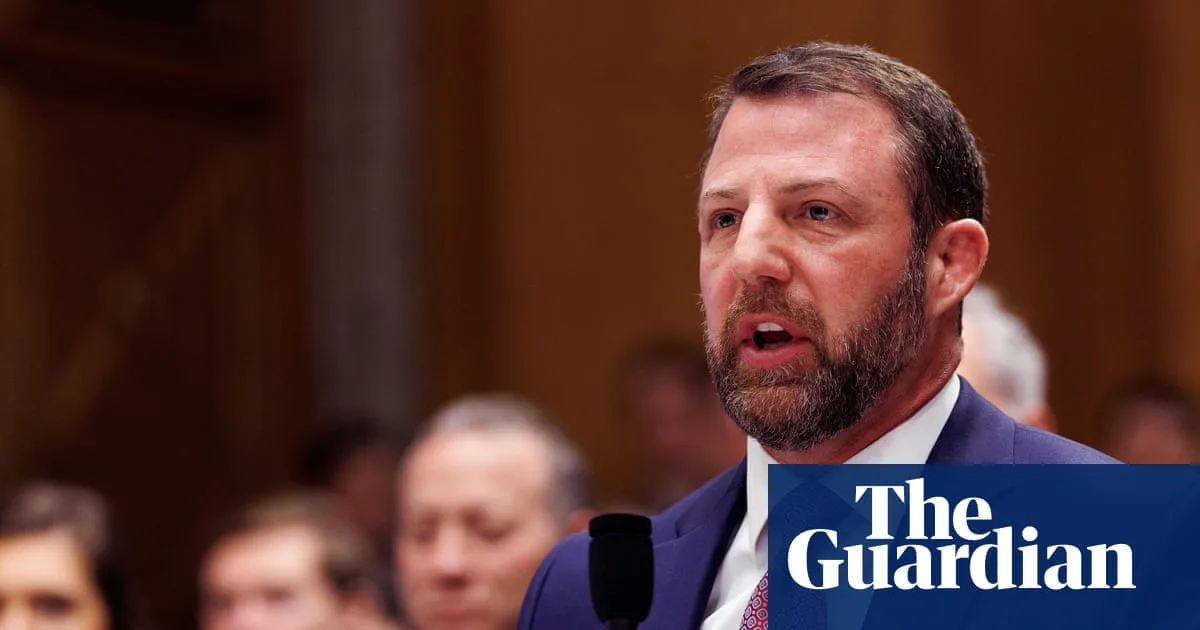
Markwayne Mullin Confirmed as Homeland Security Secretary Amid Immigration Turmoil
Markwayne Mullin has been officially confirmed as the new Secretary of Homeland Security, taking leadership of a department embroiled in intense scrutiny over its immigration enforcement policies and mass deportation operations. President Donald Trump's nominee was approved late Monday, following the firing of Kristi Noem amidst significant public backlash.
Confirmation Amid Partisan Divide
The Republican senator from Oklahoma, a close associate of Trump, has sought to project an image of stability, aiming to "get the department off the front page of the news." He assumes leadership during a tumultuous period, with President Trump having directed ICE agents to enhance airport security amid a congressional budget impasse. Senators confirmed him on a largely party-line vote of 54-45, after a combative confirmation hearing last week where he tangled with the Republican chairman of the Homeland Security Committee over his character and temperament.
Funding Crisis and Immigration Enforcement Demands
Routine funding for the Department of Homeland Security has lapsed since February 14, leading to long waits at U.S. airports as Transportation Security Administration agents call out rather than work without pay. Democrats are demanding the Trump administration make changes in immigration enforcement operations following the deaths of two U.S. citizens during protests this year in Minneapolis. Trump has refused the latest proposal, and talks have stalled.
Mullin's first challenge will be to restore routine funding to the department, which has been blocked since mid-February as Democrats demand tighter restraints. They want immigration officers to:
- Identify themselves and not wear masks
- Refrain from enforcement operations around schools, churches, hospitals, and other sensitive locations
- Wear body cameras
- Obtain a judge's approval on warrants before entering people's homes or private spaces
Background and Loyalty to Trump
While the senator comes to the position after more than a dozen years in Congress, and with the management experience of running an expanding family plumbing business in Oklahoma, he has not been seen as a key force in immigration issues. A former mixed martial arts fighter and collegiate wrestler who has led early-morning workout sessions in the members-only House gym, he became close with members of both parties and is often seen as a negotiator in partisan Washington.
It is his loyalty to Trump that landed him the job, and he’s not expected to sway from the president’s approach. Mullin was a strong supporter of Trump’s immigration agenda and ICE officers before being tapped for the DHS job. "I can have different opinions with everybody in this room, but as secretary of homeland I’ll be protecting everybody," Mullin said during his confirmation hearing.
Challenges and Policy Shifts
Mullin comes into office at a time when public support for the president’s immigration agenda has fallen after a year of high-profile operations in multiple American cities. Under Noem’s leadership, officers were accused of using force to arrest immigrants, detaining them in squalid conditions and bypassing due process to rapidly deport immigrants.
During his confirmation hearing, Mullin did walk back some of his comments, saying he was wrong to malign protester Alex Pretti after he was shot and killed by an ICE officer. He said that as secretary he would refrain from making judgments before an investigation is carried out. He shed light on other ways he might influence policy when it comes to immigration. For example, he said officers would be required to use a warrant signed by a judge—not the administrative warrants now used by ICE officers—to enter a house except in rare circumstances.
He acknowledged the concerns some communities have over building massive ICE detention facilities in their neighborhoods and said cutting off federal funds to so-called sanctuary jurisdictions that don’t work with ICE would be a last resort. But ultimately, it is the White House that sets the agenda when it comes to how Trump’s vision for immigration enforcement is carried out, and Mullin is expected to follow its lead. Trump faces a strong lobby within the GOP pushing him to make good on his promise to deport 1 million people a year.
FEMA and Federal Disaster Aid in Flux
Mullin will also have his hands full charting a new course at the Federal Emergency Management Agency, which has come under scrutiny as it delivers disaster aid to parts of the country hard-hit by hurricanes and other natural disasters. A growing number of critics, even fellow Republicans, said Noem’s policy of personally approving contracts over $100,000 slowed disaster response, and the department still doesn’t have a full-time administrator.
Mullin presented a fresh approach on federal emergency management during his Senate confirmation hearing, rejecting the idea of eliminating FEMA and saying he would revoke Noem’s contract approval rule. This move signals a potential shift in how disaster relief is managed, aiming to streamline processes and improve efficiency in response efforts.






