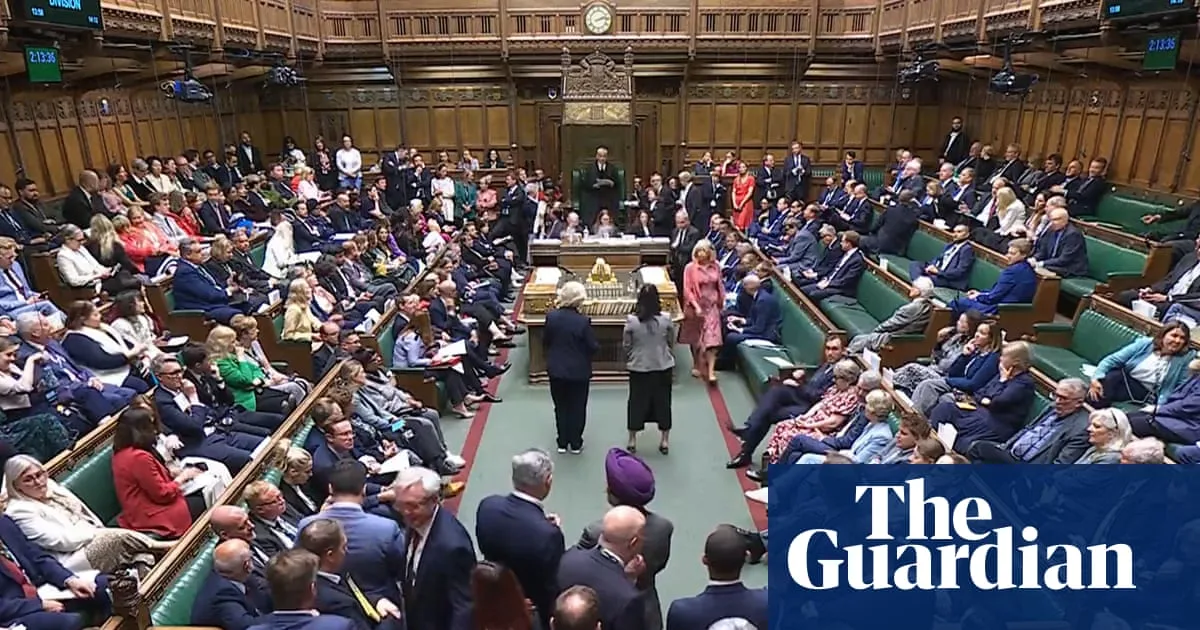
MPs are set to receive a 5% pay rise from April, taking their basic salary to £98,599, with projections reaching £110,000 by the end of the parliament. The Independent Parliamentary Standards Authority (Ipsa) cited rising abuse, intimidation, and growing constituency workloads as reasons for the above-inflation increase.
The pay award includes a 3.5% cost of living adjustment and a further 1.5% 'benchmarking adjustment'. Ipsa chair Richard Lloyd said the role of an MP has evolved, with higher levels of complex casework driven by economic pressures and global events, alongside increasing safety risks.
MPs do not set their own salaries; Ipsa has been responsible since the 2009 expenses scandal. The Taxpayers' Alliance criticised the rise, stating it contrasts sharply with private sector experience, and argued that politicians should not be insulated from the consequences of their actions, suggesting pay should be linked to GDP per capita.
The increase will push MPs' salaries over the £100,000 threshold for the first time, potentially triggering the '£100k tax trap' where earnings between £100,000 and £125,140 can leave individuals worse off, especially those with children losing childcare entitlements.
Ipsa said it will consider economic and fiscal conditions in future pay decisions. A recent survey for a speaker's conference found that 96% of MPs and 69% of their staff had experienced abuse, with one in three MPs considering not standing for re-election due to abuse.