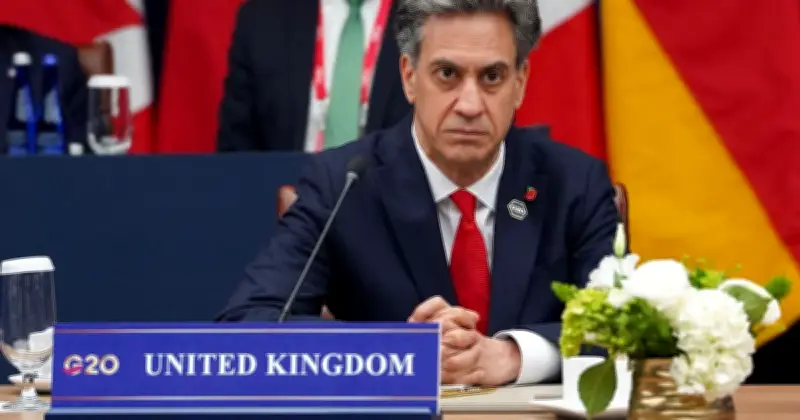
Foreign Secretary Ed Miliband has backed calls for Britain to apologise for the slave trade, telling Caribbean partners the Government is “open to an apology”, while ruling out any reparations payments.
Speaking on a trip to Antigua at a meeting of Commonwealth leaders attended by the King and the Prime Minister, Mr Miliband said the UK had told its partners it was willing to say sorry for the historic trade.
No taxpayer money for reparations
However, he insisted British taxpayers would not pay a penny more under Andy Burnham’s “new approach” to the Commonwealth. The Prime Minister chose not to discuss compensation calls during the trip, instead posing for cameras to play a set of steel drums.
Speaking to the BBC, Mr Miliband said previous governments had tried to “sweep under the carpet” the issue of slavery. Asked whether the new approach could cost UK taxpayers a penny more, he said: “No.
“I mean, not … no. And that’s – for us, that’s never been what it’s about.
“I did have this conversation with our partners in advance. I said, ‘look, we are going to say we are willing to say that we’re open to an apology, but we’re not going to shift our position on reparations’.
“It’s not for us. It’s not the right answer. It’s not practical. It’s not feasible for us, but there are things we can work on cooperatively.”
Pressure over £40m climate funding
The comments come after mounting calls from several Commonwealth heads of government for Britain to hand over billions in reparations. Fears had grown that the UK was preparing to pay out after Mr Burnham agreed £40million in climate change funding earlier this week.
Reform UK leader Nigel Farage accused the Prime Minister of “reparations by stealth” following the announcement. Mr Burnham had previously ruled out such payments in an article for a national newspaper, arguing it was not the right approach.
Mr Burnham hailed the gathering as “the most successful meeting of the Commonwealth in recent times”. He added: “The King’s words have resonated powerfully here and we’re really pleased with how it’s gone.”
The Prime Minister was referencing the King’s remarks on the “profound personal sorrow” he felt over the horrendous trade. Critics of any apology point to Britain’s leading role in abolishing the slave trade, with the Royal Navy spending decades policing the ban on the high seas, and cite Prince Albert’s 1840 speech condemning the trade at a meeting of the Society for the Extinction of the Slave Trade and for the Civilization of Africa.