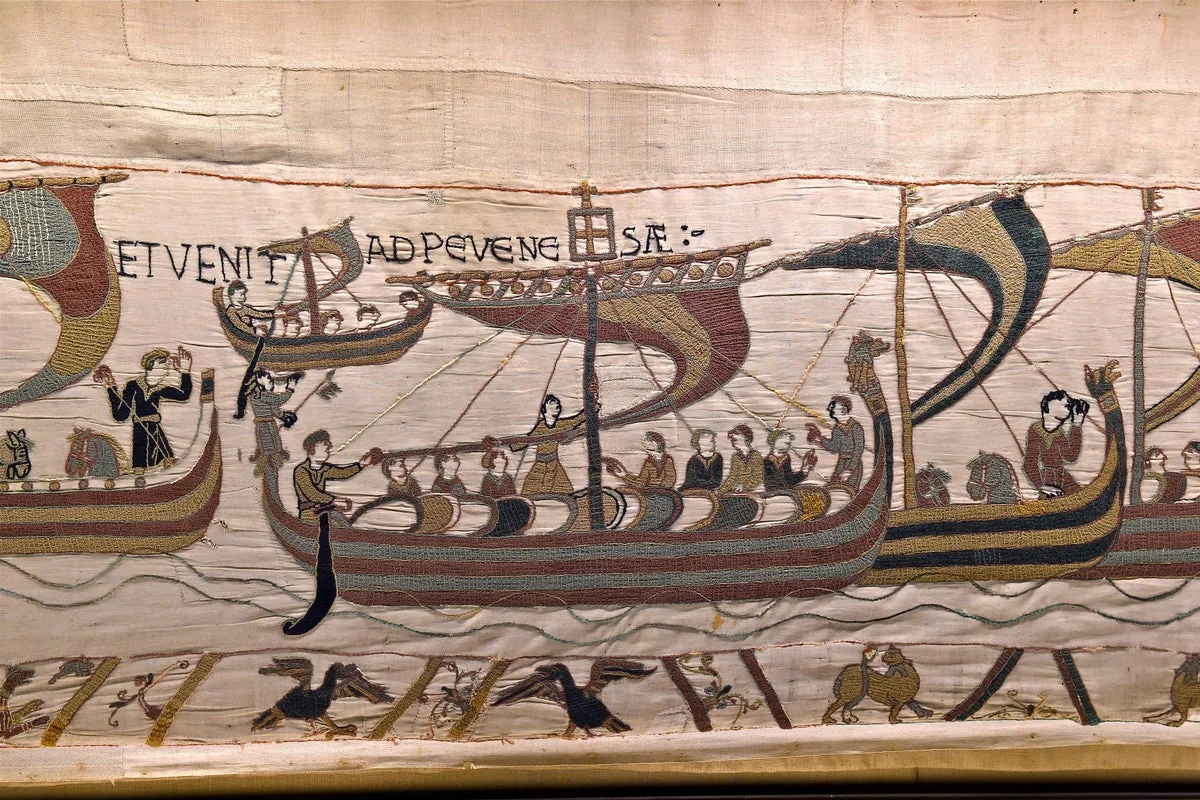
Two new studies analysing DNA from medieval skeletons have revealed that the Norman Conquest of 1066 left little detectable trace in the genomes of the common population, suggesting it was largely an elite process involving relatively few individuals.
Researchers from the Francis Crick Institute in London examined over 1,000 ancient genomes from across Britain during the first millennium AD. They found that the Roman period, despite its upheaval, left surprisingly little genetic mark, with about 80% of individuals from Roman times clustering with those of the Iron Age.
In contrast, the early medieval period saw substantial genetic influx from across the North Sea, with continental ancestry associated with Anglo-Saxon migration appearing in over 70% of burials in southern Britain. However, the Viking Age left a more uneven and regionally variable signal than its historical prominence might suggest.
A second study focusing on a rural cemetery in Surrey found no clear genetic shift across the Norman Conquest. The findings support the view that the conquest involved elite replacement rather than large-scale population movement.