
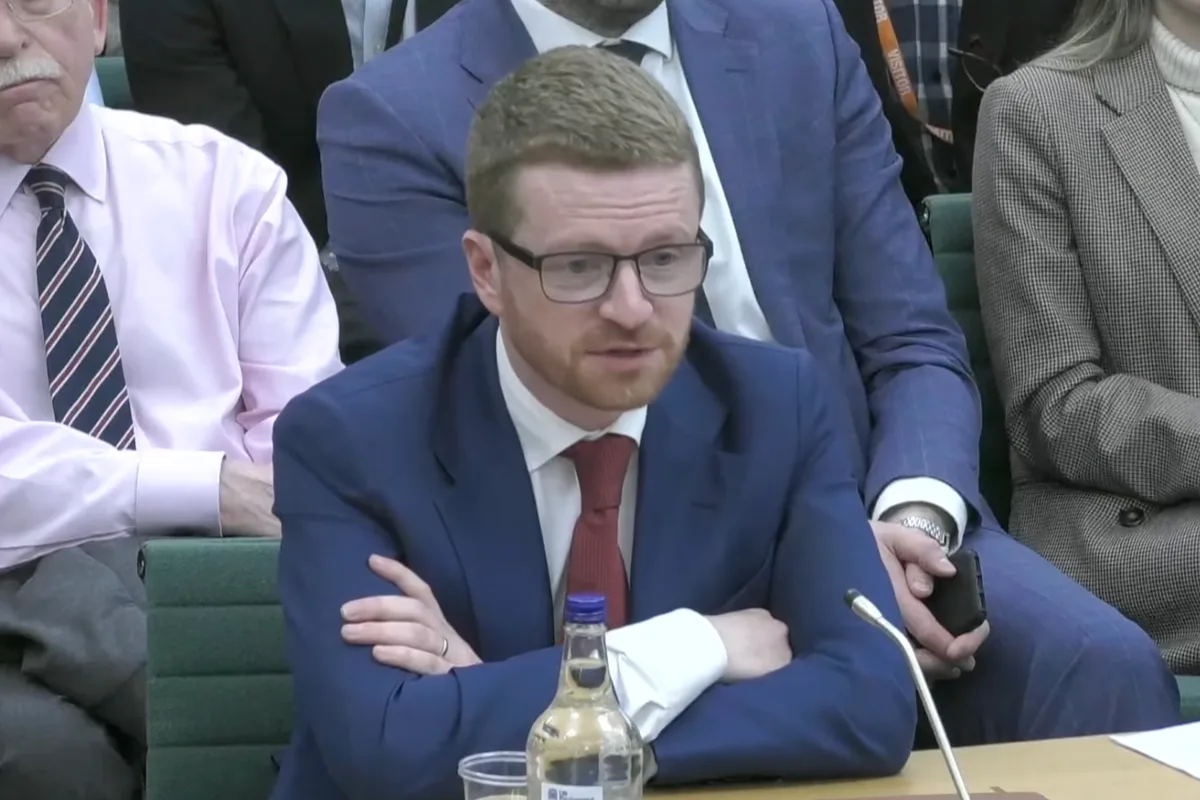
Morgan McSweeney, the former chief of staff credited with rebuilding the Labour Party, has given evidence to the Commons Foreign Affairs Committee on the Peter Mandelson appointment scandal. Described as mild-mannered and soft-spoken, McSweeney testified that he was not Mandelson's mentor but a mere adviser, and that he felt betrayed by Mandelson for not being told the truth about his links to convicted paedophile financier Jeffrey Epstein.
McSweeney took responsibility for the blunder and resigned, but made clear that the decision to appoint Mandelson as ambassador to Washington was ultimately the prime minister's. He said he had been taken for a fool, and that the appointment, initially seen as a masterstroke, should never have happened. The only positive was that Mandelson's tenure was short, limiting further damage to UK national interests.
The prime minister, Sir Keir Starmer, has been accused of a cover-up but the testimony supports his version of events. Starmer insists he did not mislead parliament, and no witness has contradicted that. Former Foreign Office mandarins Sir Philip Barton and Sir Olly Robbins confirmed that due process was followed, albeit at an unusual pace. They said it was 'proper process at pace'.
Starmer claims he was unaware of doubts raised during Mandelson's vetting until questions were raised by The Independent. He sought information via the cabinet secretary but the Foreign Office withheld it. That account is not disputed. As a result, the opposition's motion to refer Starmer to the Committee of Privileges has been deemed premature and politically motivated, and failed.




