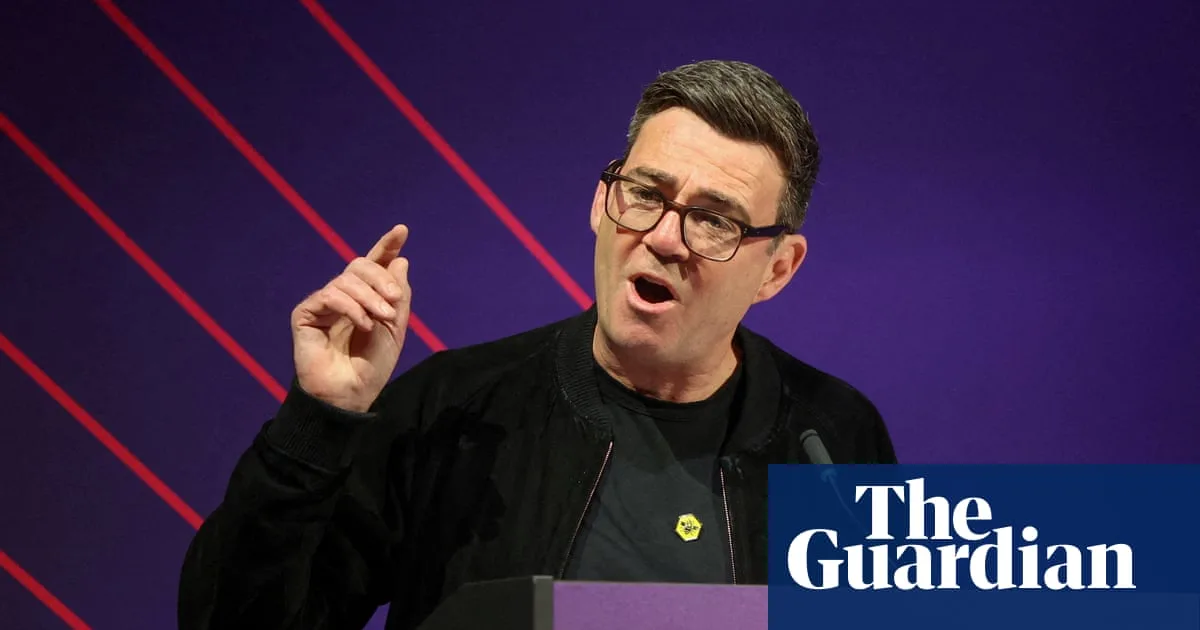
The roots of 'Manchesterism', a doctrine touted by Greater Manchester Mayor Andy Burnham as 'the end of neoliberalism', have been growing over many months with many different influences, not just Burnham himself. In his campaign launch video for the Makerfield by-election, Burnham presented an audacious offer to change national politics and the economy based on his achievements in Manchester, such as public control of bus networks and expanded devolution.
However, the 2026 version of Manchesterism differs sharply from its 19th-century free trade namesake. Turning it into a practical offer for government, potentially within weeks, is an immense task. The operation is small and faces constraints, including fears of spooking bond markets and handing the seat to Reform UK. Burnham has stated he will stick to Rachel Reeves's fiscal rules, meaning any spending expansion must be funded by tax increases.
The intellectual work behind Manchesterism has involved figures like Mathew Lawrence of Common Wealth and economist Alex Williams, whose ideas in 'The Productive State' argue for direct state ownership of essential services, as seen with Manchester's Bee Network buses. However, Burnham himself has not called for nationalisation of energy or water, preferring 'public control' with more government involvement.
Burnham's close adviser Neal Lawson says Burnham's theory comes from practice in Manchester, not books, and is influenced by the civic leadership of Howard Bernstein. The pragmatic version of Manchesterism aims for a productive state-business relationship, with Burnham stating, 'You can be pro-business but want more of the proceeds of growth recycled back into our communities.'
The first test of these theories on public ownership may be Thames Water, the stricken utility the government is trying to sell. Allies of Burnham face tough questions on how to apply the framework in fiscally constrained circumstances.