
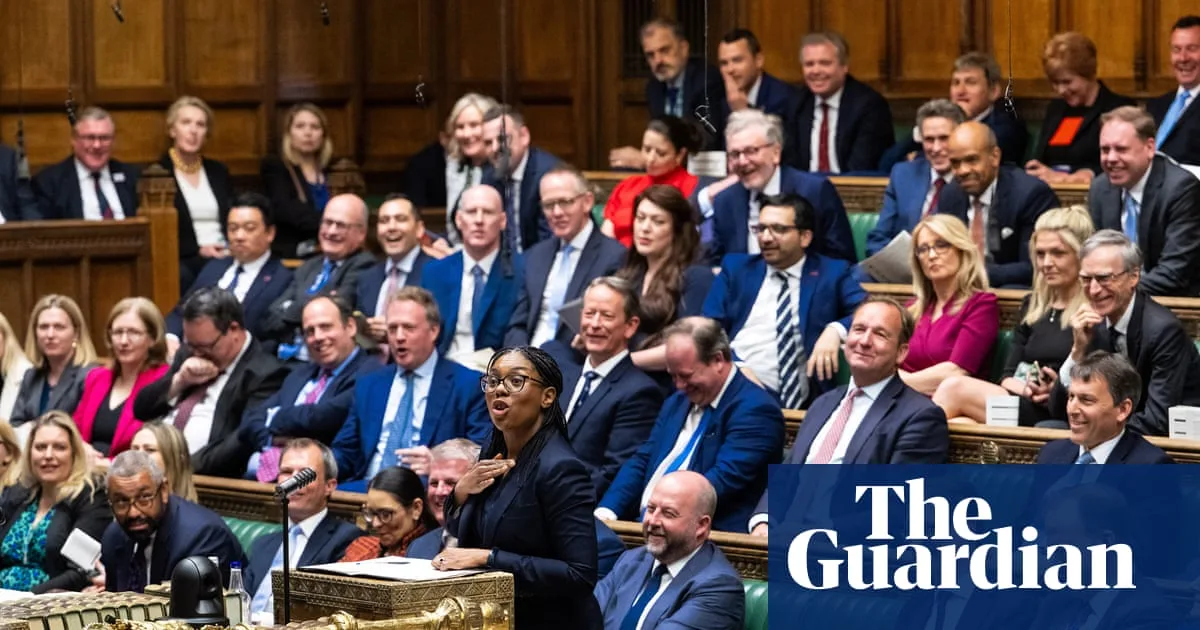
Keir Starmer avoided a major Labour rebellion on Tuesday after MPs voted down a Conservative motion for a parliamentary investigation into his appointment of Peter Mandelson as ambassador to Washington. Downing Street deployed its full whip to block the bid, but 15 Labour backbenchers defied the party line, and some warned the prime minister was running out of political capital.
One minister described Starmer as being in the "last-chance saloon", while another said he had only so much credit left with the backbenches. The vote, tabled by Conservative leader Kemi Badenoch, sought to refer the matter to the privileges committee over claims Starmer misled the Commons. The government won 335-223, a majority of 112, but up to 53 Labour MPs did not vote, raising concerns of silent discontent.
In damaging testimony to the foreign affairs select committee, Starmer's former chief of staff, Morgan McSweeney, admitted he pressured Foreign Office officials to expedite Mandelson's posting but denied asking them to "skip steps" in security vetting. He described learning of Mandelson's links to Jeffrey Epstein as a "knife through my soul" and said Starmer would not have appointed him had the full truth been known.
Further revelations emerged from new US ambassador Christian Turner, who told students in February that Starmer was "on the ropes" over the scandal and his future "quite touch and go". Turner suggested that if Labour performed badly in the May elections, the party might "remove him".
Despite the immediate relief of blocking the inquiry, the scandal is far from over. The intelligence and security committee has finished reviewing key documents, and the issue may resurface next month. Labour MPs now turn their attention to the local elections, which are expected to deliver a punishing result for the government.




