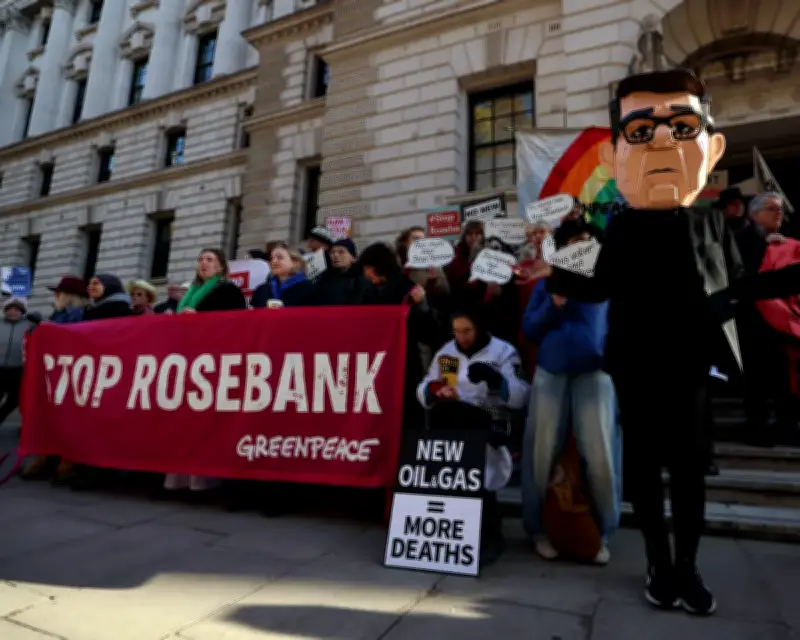
As many as 100 Labour MPs could sign a letter opposing the giant Rosebank oilfield, as discontent among backbenchers looks likely to surge this week, with rebellions also brewing over Europe and welfare changes.
A total of 75 MPs have already signed the private letter, which is expected to be delivered in the next fortnight to Andy Burnham as part of a campaign in which Labour MPs from the party's 2024 intake are playing a significant role.
Cabinet split over oilfield decision
While the energy secretary, Miatta Fahnbulleh, is said to be minded to reject the controversial oilfield, she could still be overruled by the prime minister, amid a cabinet split in which the chancellor, John Healy, is in favour of the plans.
The letter, first reported by the Sunday Times, says Britain's credibility as a global climate leader would be destroyed if drilling went ahead off the Scottish coast, and argues that it would not reduce energy bills.
“We're at a point where Reform and the Greens are on the back foot and Labour is enjoying a bounce, but a lot of people are very worried about Rosebank,” said one Labour MP who signed the letter.
“Andy's big problem is also that he has let three fights start at the same time, which could prove to be very awkward. Rows about this and what our position should be on European relations have come at the same time as the debates that will come this week over [Alan Milburn's] proposals on out-of-work benefits for young people. If control of the narrative on one issue is lost it could lead to panic about another.”
Concerns from veteran MPs
Another Labour MP said: “The interest in this is not just from the 2024 MPs. There are a good number of colleagues who just don't sign letters like this normally, but who are concerned. It's about staying true to what we told voters, and the fact that a lot of people after the summer we've had are really now making a link between the climate crisis and what their experience was when it comes to temperatures or flooding.”
The prospect of government resignations also looms if the drilling licence is granted. While the foreign secretary, Ed Miliband, is unlikely to go, such a decision would also put [him] in an awkward position given his past description of Rosebank as a “colossal waste of taxpayer money and climate vandalism”.
Instrumental in organising the letter is Sera, an affiliate and member-led environmental organisation within Labour, whose members include Miliband as well as ministers such as Luke Pollard, Georgia Gould, Matthew Pennycook and others.
Union backing and industry impact
Some who have signed the letter include those who had reluctantly backed the smaller Jackdaw field on the basis that it was primarily gas.
The company operating both fields said on Sunday that gas had begun to flow from the Jackdaw platform, “bringing vital UK energy resources ashore in time for winter”.
Claire Mueller, Jackdaw project director at the North Sea oil and gas producer Adura, said Rosebank and Jackdaw were expected to generate £1.4bn in tax revenues before the end of this parliament, rising to £3.8bn by the end of the next.
“With Jackdaw now producing, and other major projects including Rosebank in our pipeline, we have an opportunity to build a bright future for the North Sea, supporting jobs, investment and Britain's energy security for years to come,” she added.
Heavy backing for Rosebank is also coming from Labour-supporting unions the GMB and Unite, which have considerable influence over Burnham's operation, and who are also expressing concern at his talk of rejoining the EU.
Letter modelled on welfare rebellion
The letter opposing Rosebank is modelled on the one that derailed Keir Starmer's welfare overhaul plans, which spanned the new intake and veterans. Yet one of its signatories pointed out stark differences.
“I do think it will probably get to around 100 MPs and may go beyond it, but the welfare rebels were willing to be much more ruthless. The other thing is that some of the people behind that rebellion are now in government and they are wise to these things.”
The government has described their process around Rosebank as “quasi-judicial”. Fahnbulleh previously told the Guardian that the decision would be consistent with the UK's climate obligations, carbon budgets and the energy transition.