Ministers have been forced into a last-minute concession after Labour MPs threatened to vote down a government amendment limiting disclosures about Peter Mandelson’s links with Jeffrey Epstein. Whips agreed to hand power over the disclosures to the Intelligence and Security Committee (ISC), a compromise brokered by Treasury select committee chair Meg Hillier and former deputy prime minister Angela Rayner.
The Conservatives, who triggered the vote to force the release of documents related to Mandelson’s appointment as US ambassador, will back the new amendment. One MP said: “Yet again the prime minister has to thank Angela Rayner’s swift political judgment to save this government from itself.” MPs believed anger among the parliamentary party posed a significant threat to Keir Starmer’s premiership.
No 10 had intended to release documents later on Wednesday, but Starmer’s spokesperson said that had been complicated after contact from the Metropolitan police. Police have launched a criminal investigation into whether there was misconduct in a public office over sensitive government documents that appeared to have been forwarded from Mandelson to Epstein.
The government’s original amendment would have allowed the cabinet secretary to refuse to disclose documents that prejudiced national security or international relations – an exemption many MPs considered too broad. Instead, Rayner and Hillier proposed that the ISC oversee what is disclosed. Whips used a manuscript amendment to make the change after MPs warned they would vote against the government unless this was done.
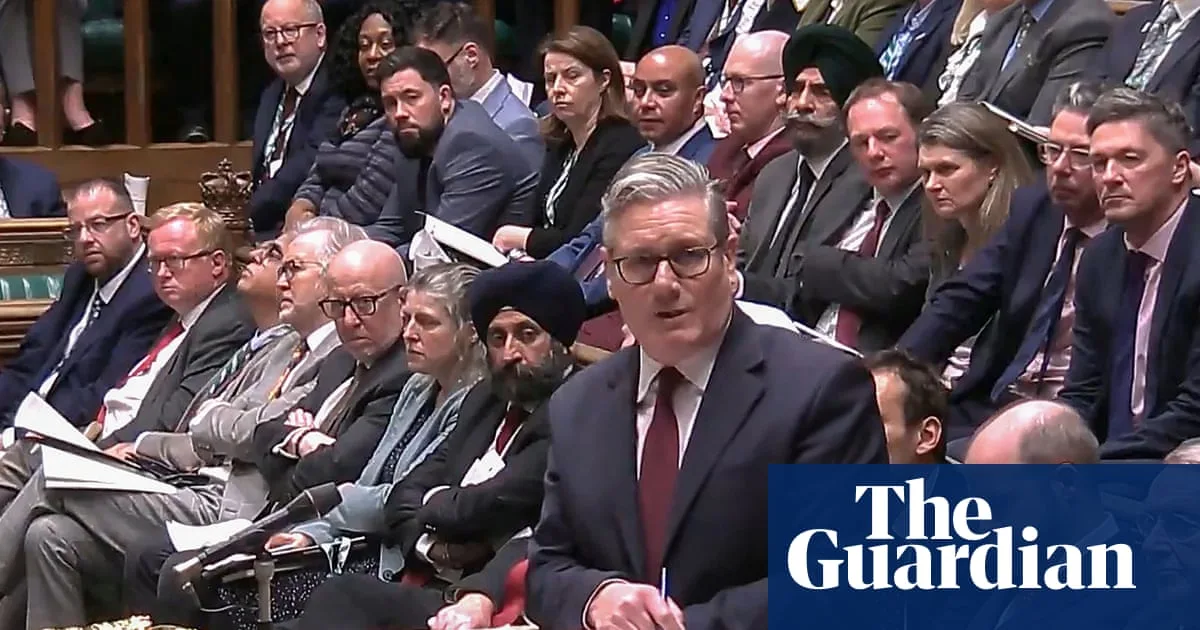
At prime minister’s questions, Starmer said Mandelson had “betrayed our country” and “lied repeatedly to my team” about his relationship with Epstein. “I regret appointing him. If I knew then what I know now, he would never have been anywhere near government,” he said. The prime minister promised the House would see full documentation of Mandelson’s misrepresentations.
MPs from across the House called for the ISC, chaired by Labour peer Kevan Jones, to take charge of disclosure decisions. Cabinet Office minister Nick Thomas-Symonds said he would consider the changes. The backbench MP Matt Bishop rejected an internal review, saying: “We’re being asked to accept an internal review carried out by the very structures that failed to prevent this in the first place.”