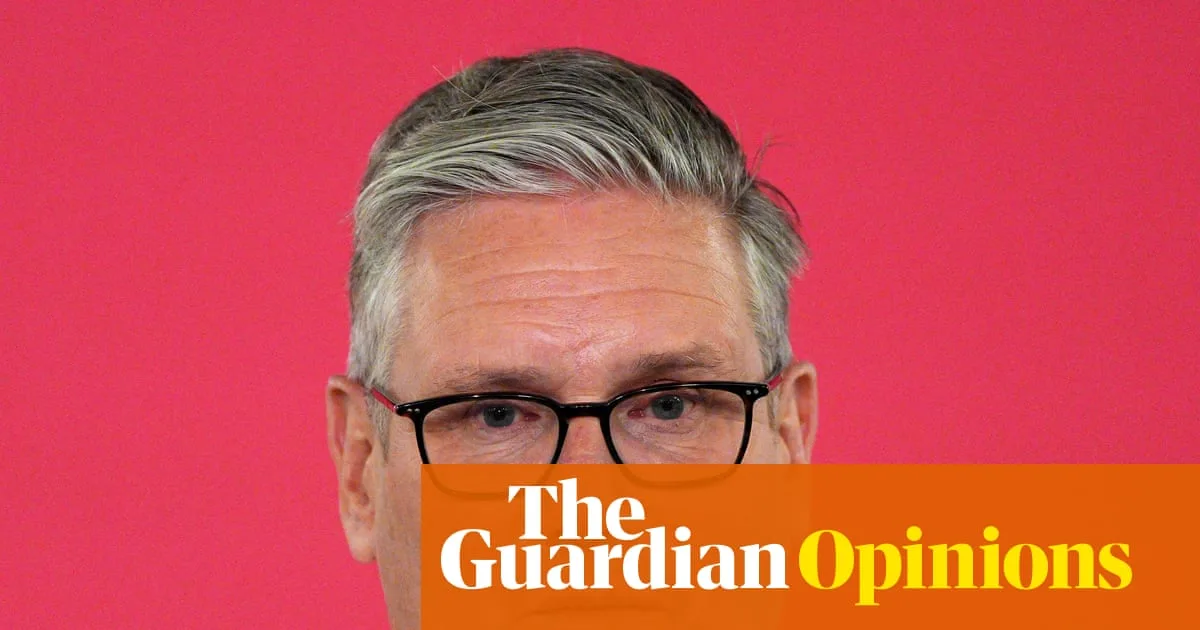
Sir Keir Starmer is facing the most serious challenge to his leadership yet, with scores of Labour MPs publicly calling for him to step down after the party's disastrous local and devolved election results. The prime minister's attempt to reset his premiership with a speech on Monday failed to quell the rebellion, as MPs from across the party demanded an 'orderly transition' to a new leader. The rhetoric has shifted from criticism of strategy to questioning Starmer's legitimacy, with MPs arguing that voters no longer trust him or believe in the change Labour promised.
Labour MP Catherine McKinnell voiced the growing sentiment, saying voters had made clear that 'the Labour government has to change, or we will change the Labour government.' Historically, Labour has been reluctant to oust its leaders, but the scale of the rebellion suggests a deep crisis. MPs are keen to avoid the kind of public bloodletting seen in the Conservative Party, instead calling for a smooth handover to appear responsible.
Starmer, however, is determined to fight on, insisting that his 2024 landslide victory gives him a mandate to lead into the next election. Critics argue this misreads the electorate, which handed Labour a majority based on a temporary anti-Tory coalition rather than a ringing endorsement. The party's shallow and brittle voting bloc feels taken for granted, and the rebellion reflects that discontent.

Attention is already turning to potential successors, including Health Secretary Wes Streeting, former deputy prime minister Angela Rayner, and Greater Manchester Mayor Andy Burnham. Timing will be crucial, as Burnham, who would need to win a parliamentary seat, benefits from a slower contest. However, Labour's poor polling in Greater Manchester, once a showcase region, may hinder his chances. The crisis underscores the fragility of Starmer's leadership and the party's broader challenges.