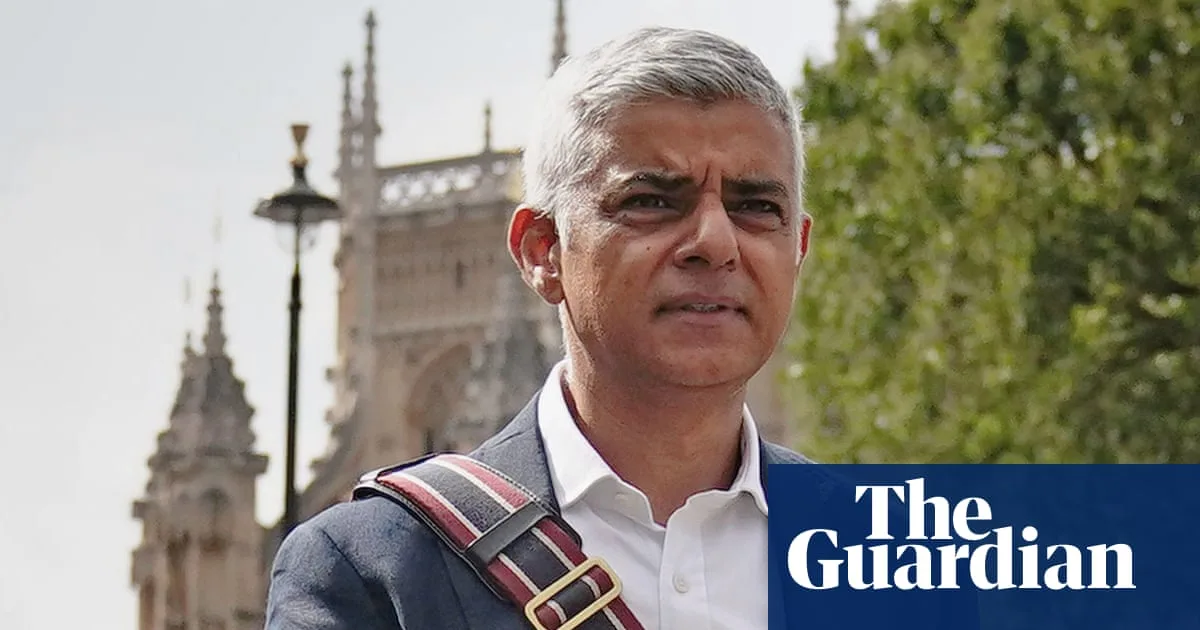
Sadiq Khan has blocked a £50 million Metropolitan Police contract with the US tech company Palantir, citing a “clear and serious breach” of procurement rules. The London mayor intervened after Scotland Yard had agreed to use Palantir’s AI technology for intelligence analysis in criminal investigations. The Mayor’s Office for Policing and Crime (Mopac) vetoed the deal, stating that the Met failed to obtain approval for its procurement strategy.
Scotland Yard criticised the decision as “disappointing,” warning it could lead to officer cuts and affect public safety. A Met spokesperson said the force needs to modernise and use the best technology available, adding that without it, they will be forced to make further tough choices that cannot avoid reducing officer numbers. The Met faces a £125 million funding shortfall and 1,150 job cuts in the coming year.
The mayor’s office responded that tight budgetary constraints make it even more important to follow robust procurement processes for contracts as large as £25 million a year. Khan’s deputy mayor for policing and crime, Kaya Comer-Schwartz, wrote to Met Commissioner Mark Rowley, saying she had not been provided with an acceptable explanation for the failure to obtain approval, which created legal and reputation risks.
The row highlights growing public backlash against Palantir, co-founded by Trump-supporting billionaire Peter Thiel. The company also serves the Israeli military and US immigration enforcement. Last month, its CEO Alex Karp published a manifesto that an MP called “the ramblings of a supervillain.” Chi Onwurah, chair of the Commons science and technology committee, welcomed Khan’s decision, saying it addresses concerns about vendor lock-in and dependence on US providers.
Khan said private companies often use loss leaders to make public services reliant on them. In 2023, the government’s chief commercial officer raised concerns with Palantir about offering services at zero or nominal cost to gain a commercial foothold. The blocked deal would have been Palantir’s largest in British policing, following contracts worth £330 million with NHS England and £240 million with the Ministry of Defence.