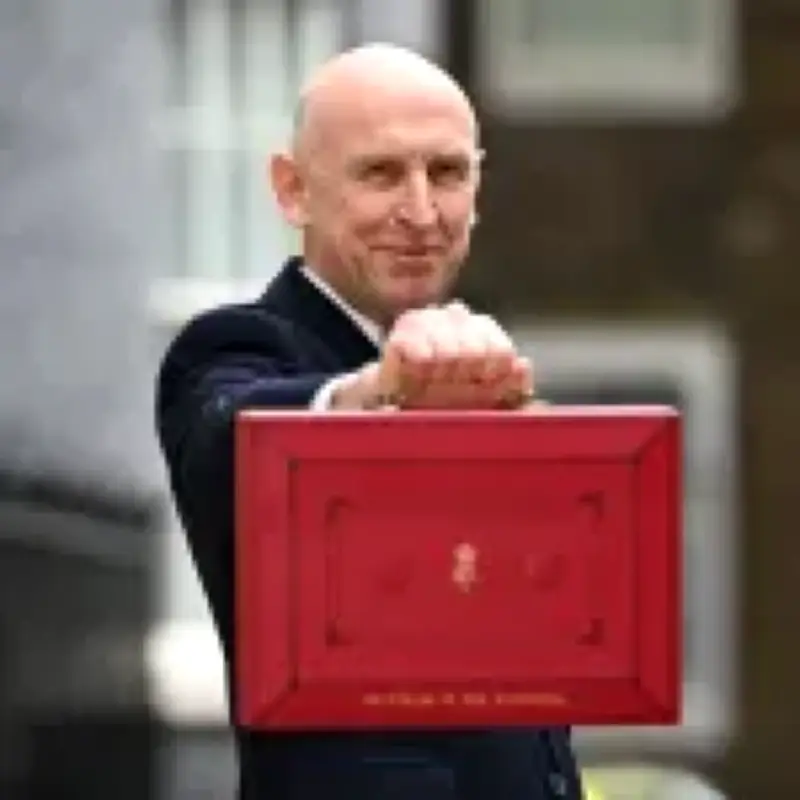
Chancellor John Healey has delivered his first Budget since being appointed by Labour Prime Minister Andy Burnham, announcing a rise in the National Living Wage, help with energy bills and a pledge to increase defence spending.
The speech in the House of Commons today also confirmed the removal of tariffs on popular supermarket items including baked beans and chocolate, alongside an increase in the National Minimum and Living Wages, both by 3.9%.
Income and pensions
The National Living Wage will increase by 3.9% for both over-18s and over-21s, rising from £12.71 to £13.21 for the latter group. For those aged 18 to 20, the minimum wage will rise to £11.27.
Mr Healey said: 'For 2.3 million of our lowest paid workers, I am increasing both the National Minimum Wage and the National Living Wage by 3.9%.' Once National Insurance and 3% pension are counted, a minimum-wage worker would be around £1,150 better off per year.
Self-employed fathers and partners will be eligible for paid parental leave for the first time. Pensioners on low incomes will be shielded from income tax, with a new tax allowance introduced if increases to their payments take them over £12,570.
Cost of living and bills
Healey pledged £100 for those living in homes covered by council tax bands A-D this winter, affecting around 20 million people. The 'direct household payment' is intended to ease the effects of rising energy bills, with the money giving Brits 'breathing space' as the cost of living continues to increase.
The government will extend a VAT cut through the winter and spring to July, taking £50 off the annual price cap. Standing charges on gas bills will be abolished for 23 million homes.
Fuel duty will be frozen for a 16th year in a row, and import tariffs will be removed on more than 100 popular supermarket items, including baked beans, chocolate and gherkins, meaning they will be cheaper at the tills.
Housing and defence
The tax-free cash Isa limit will remain at £20,000, scrapping a plan to reduce it to £12,000. The Lifetime Isa penalty for those buying homes costing more than £450,000 will end, with a new First Time Buyer Isa replacing it. The 'Your First Home' equity loan scheme will get £4.7 billion of government-backed lending, and the rough sleeping programme will receive a further £432 million to get people off the streets in England.
Healey committed to spending 3% of GDP on defence by 2030, saying he would 'fully fund' Britain's defence investment plan (Dip), Sir Keir Starmer's plan that promised £15 billion. However, he only committed £10.3 billion to it.
He also pledged £10 million of additional economic and military support to Ukraine, as well as half a billion in urgent military funding this winter. 'The whole house, the whole country, is united for Ukraine. Today we send a clear message to Moscow: Britain will stand with Ukraine for as long as it takes.'
The government has pledged another £500 million for AI safety and security, but a new 'British datacentre covenant' will mean centres must invest in the local area and protect local water supplies.
Home affairs and local investment
Plans to devolve more power to mayors include an extension of London's Bakerloo Line. Mayors will be allowed to retain income tax receipts generated locally and use finance schemes to fund infrastructure, with an initial £285 million allocated to invest in projects in their areas. This means Sadiq Khan will be able to push ahead with projects including extending the line and expanding Euston station.
Healey outlined plans for more taxes on gambling to 'improve Britain's high streets', with the money freeing up support for high street businesses through business rates relief. The threshold for small business rates relief for retail, hospitality and leisure businesses will increase from £12,000 to £18,000, taking around 70,000 businesses out of paying business rates altogether.
The Chancellor also pledged £15 million to children's charities, including Dolly Parton's Imagination Library, which gives children free books up until the age of five. A £7 million fund will be used for a feasibility study into a possible future bid to hold the Olympics and Paralympics in northern England. Banks will pay an extra 3% on the bank surcharge for 15 months from January.