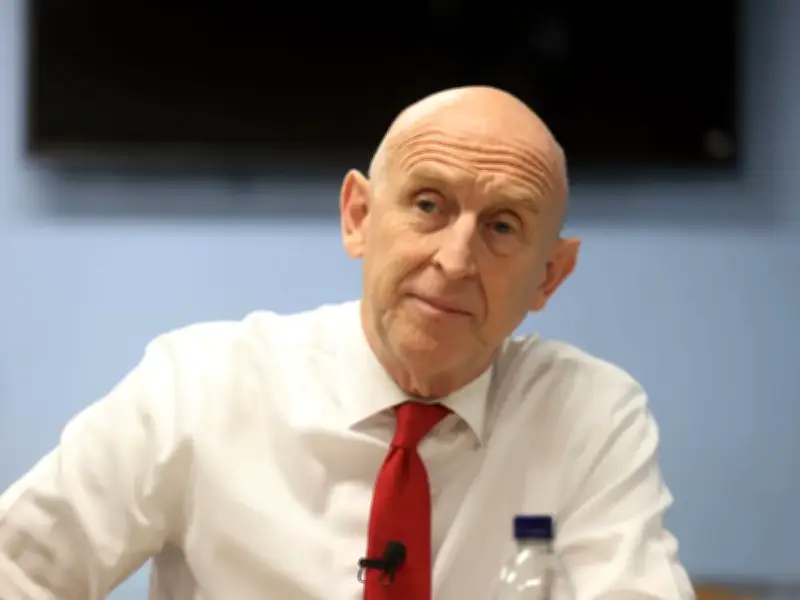
Chancellor John Healey will set out a Budget for the “working people of Britain” to chart a new course for the country through global economic turmoil. He is expected to promise breathing space for hard-pressed households and to pledge hope for businesses big and small in his maiden Budget, while kickstarting action to get energy costs down for good after wars in Ukraine and Iran sent prices rocketing.
A Budget for workers and businesses
“This is a Budget for the worker, the sole trader, the parent at the school gate, the young person desperate to start their first job or get on to start their own business,” he is expected to say. “A Budget that gives people breathing space now, while taking the long term action needed to get costs down for good.”
The Chancellor will acknowledge how the economic fallout from conflict abroad is clobbering Brits at home, and say his plans will steer the country through economic storms and offer fresh hope for the future. He will add: “This Budget is for the working people of Britain. It’s a Budget for business, big and small.”
Pressure on public finances
Mr Healey’s big moment comes at a time of intense pressure on the public finances, made worse by Donald Trump's disastrous Iran war, which has triggered turmoil in international markets. Consumers are being squeezed by high energy costs, while inflation hit 3.5% in September, but the Chancellor's scope for big giveaways is limited by strict fiscal rules barring borrowing for day-to-day spending.
Driving down energy costs is expected to be in Mr Healey's sights as winter approaches. Last week, Andy Burnham tasked ministers with coming up with plans to strip standing charges from gas bills to ease pressure on households. The fixed daily fees cover the cost of connecting to supply, regardless of how much energy is used.
Secrecy and expected measures
Mr Healey's maiden Budget has been kept tightly under wraps to avoid a repeat of last year's chaos, where Rachel Reeves's statement was published in full online before she got on her feet. Military-style protocols from his time as Defence Secretary have been deployed to keep financial secrets from leaking.
He is widely expected to put up taxes on banks and to impose a tax crackdown on online retailers like Amazon and eBay, making them responsible for collecting tax owed by retailers selling on their platforms. There is also expected to be a focus on devolution to give regional bodies and mayors more power over spending.
More details of a scheme to help first-time buyers without the help of the bank of mum and dad will be revealed, and pensioners on low-incomes are expected to be shielded from income tax through a new personal allowance.
Cost-of-living relief measures
The minimum wage is expected to rise by 4% for people aged 21 and over, from £12.71 per hour to around £13.20. But hikes are expected to slow for younger workers, from £10.85 to around £11.27, an increase of 3.9 per cent.
A number of “everyday fixes” will be confirmed as part of the Government's drumbeat of announcements to offer breathing space on the cost of living. Staple goods like baked beans, garlic and marmalade will become cheaper as import taxes are taken off more than 100 foods. Together with a similar announcement in the summer on goods like pasta and fruit juice, it will save around £21 a year.
The cliff-edge for the carer's allowance payments will be axed, and tax-free mileage rates will be locked in at 55p per mile for the first 10,000 business miles for people who drive for work such as nurses, care workers and builders. The rate will rise from 25p to 35p above 10,000 miles.
Paternity pay will be extended to self-employed fathers who have previously missed out and fuel duty is expected to be frozen and the 5p cut retained.
It comes after Mr Burnham used his first months in office to roll out a string of cost-saving measures, including a £2 cap on bus fares in England, free bus travel round the clock for disabled people and a cut to VAT on electricity bills, which will save households around £45 a year. He also announced plans to cut business rates for pubs, clubs and music venues by 20%, and to make it easier to cancel subscriptions.
In a video message on Tuesday night, the Chancellor said: “The world’s a highly uncertain place. Conflicts abroad are pushing up energy prices, and the cost of living here at home - piling pressure on the families, on businesses, and on our public finances. But Britain's economy is showing real signs of resilience: investments up, productivity is growing, and we had the joint fastest growth in the G7 in the first half of this year. We can't stop these shocks that hit Britain, but we can make Britain more resilient when they do.”