
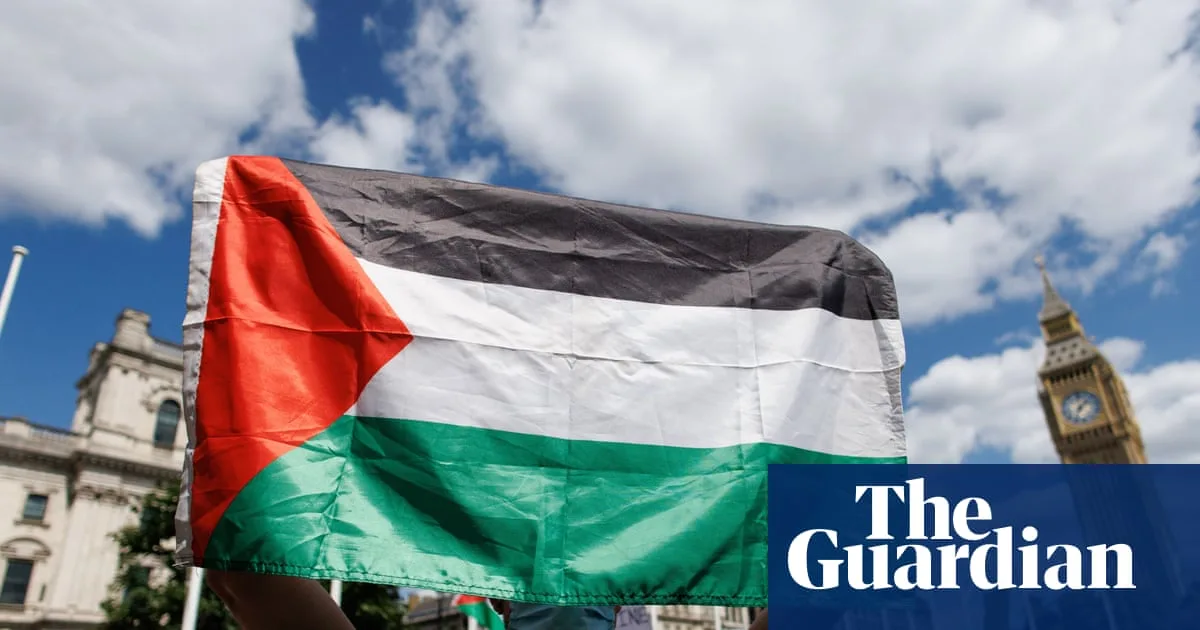
The prime minister has called on pro-Palestine protesters to “respect the grief of British Jews this week” following the Manchester synagogue attack. In an article written for Jewish News and the Jewish Chronicle, Keir Starmer said activists should recognise this is a time of mourning.
“Peaceful protest is a cornerstone of our democracy – and there is justified concern about the suffering in Gaza – but a minority have used these protests as a pretext for stoking antisemitic tropes,” he wrote. “I urge anyone thinking about protesting this weekend to recognise and respect the grief of British Jews this week. This is a moment of mourning. It is not a time to stoke tension and cause further pain.”
His comments come ahead of a planned demonstration against the ban on Palestine Action, scheduled for Saturday. The home secretary, Shabana Mahmood, and the Metropolitan police commissioner, Mark Rowley, have both urged organisers to postpone the event following Thursday’s attack. Rowley said continuing protests “will likely create further tensions and some might say lacks sensitivity”.
However, the organisers, Defend Our Juries, said cancelling the protest would “let terror win”. In a statement, they said supporters, including many Jewish people, wanted the event to go ahead, with 1,500 people expected to take part peacefully in Trafalgar Square. They reiterated their condemnation of the attack and urged police to protect communities rather than arrest peaceful protesters.
Rowley accused the group of “drawing valuable resources away from the communities of London at a time when they are needed most”. He noted that there was no legal power to ban the static assembly. More than 1,600 people have been arrested since the proscription of Palestine Action came into effect on 5 July.




