
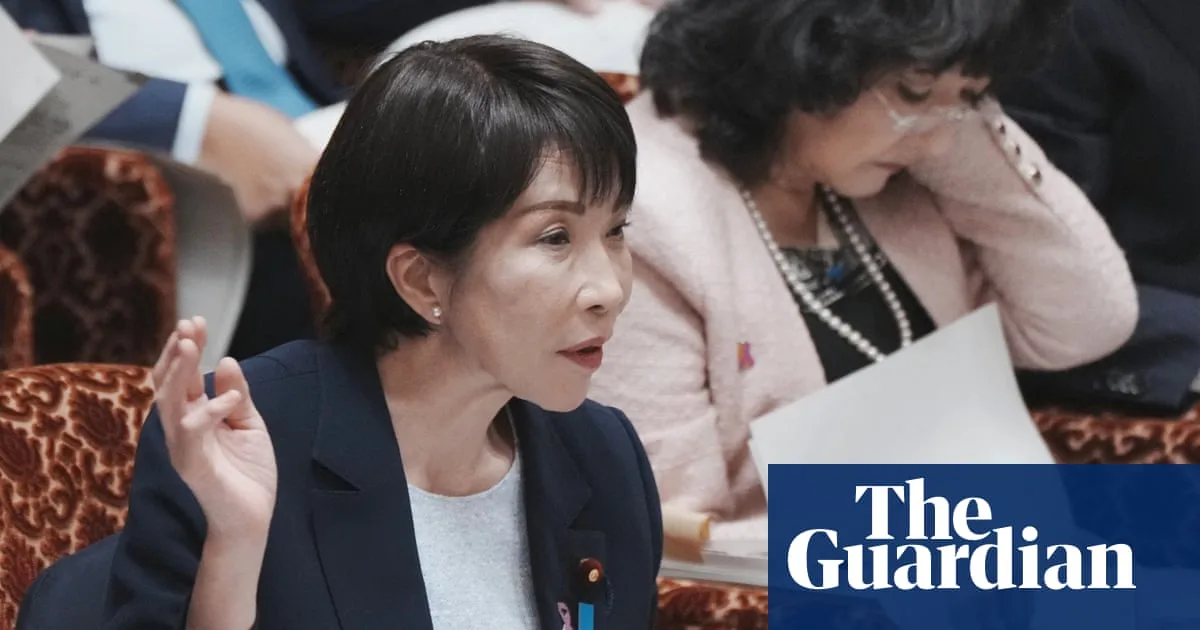
Japan's prime minister, Sanae Takaichi, has revealed that she sleeps only two to four hours a night, sparking concerns about her commitment to improving work-life balance in a country known for its gruelling working hours. Pointing to the bags beneath her eyes, Takaichi told MPs that her minimal sleep pattern mirrors that of her political hero, Margaret Thatcher.
Takaichi caused a stir last week after summoning aides to her office for a 3am meeting to prepare for a budget committee hearing that was due to start six hours later. Her admission comes weeks after she became Japan's first female leader, promising to “work, work, work, work and work”.
Japan has long struggled to reform a corporate culture that expects employees to work long hours and socialise with colleagues in the evening. Punishing hours have been blamed for a rise in karoshi, or death from overwork, and for making it harder for exhausted couples to raise the country’s low birthrate.
Political allies and opponents expressed concern for Takaichi's health. Former economy minister Ken Saito said he was “honestly worried”, while opposition MP Katsuhito Nakajima urged her to get more sleep, eliciting a nod and a smile from the prime minister. A study found that Japanese people average seven hours and one minute of sleep on weekdays, 38 minutes less than the international average.
Since becoming prime minister at the end of October, Takaichi has had little time to rest, attending an Asean summit, hosting Donald Trump for a state visit, and meeting Xi Jinping at the Apec summit. A deepening row with China over her suggestion that Japan could become involved in a Taiwan Strait conflict may give her yet more sleepless nights.




