
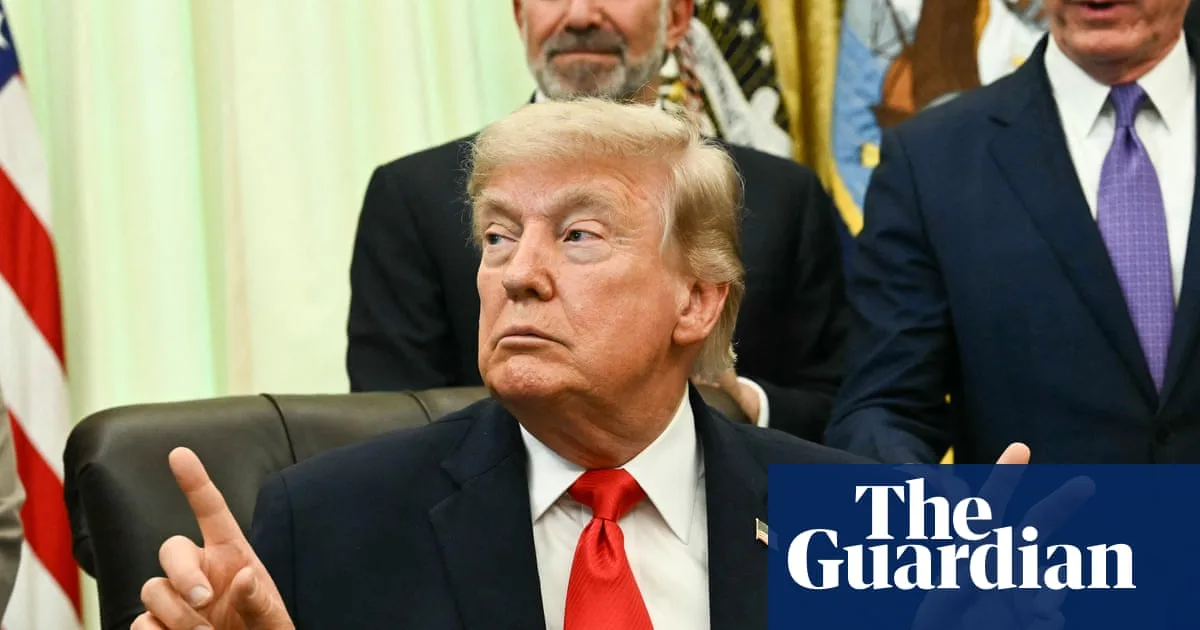
Talks between the United States and Iran remain chaotic, with President Donald Trump's conflicting statements causing market volatility. On Thursday, Trump threatened Iran with “VERY HARD” strikes, only to later claim a peace agreement was imminent. Oil prices fluctuated accordingly, dropping below $90 a barrel after the White House hinted at a potential deal.
This marks the 39th time Trump has declared progress in US-Iranian talks, though previous promises have often involved walking back threats of mass destruction. The latest exchange included threats to seize Iran's Kharg Island and take control of its oil markets, following a tit-for-tat bombing that damaged critical water infrastructure in drought-stricken southern Iran.
Despite the uncertainty, US officials stated on Friday that a text acceptable to both sides was in place, with a signing ceremony possible within days. Iran's foreign ministry was more cautious, noting the proposed agreement was under review by decision-making bodies. The core issue remains financial: Tehran demands upfront payment from $24bn of its frozen assets in exchange for lifting its blockade of the Strait of Hormuz, while the US insists on tangible progress first.
The rollercoaster rhetoric continues to impact global markets, with traders reacting rapidly to Trump's statements. Economists suggest that while the president is seen as an unreliable narrator, the enormous economic stakes of Gulf peace or war mean even discounted reactions move markets. A BBC investigation found multimillion-dollar trades occurring just before major administration announcements, particularly in oil futures.




