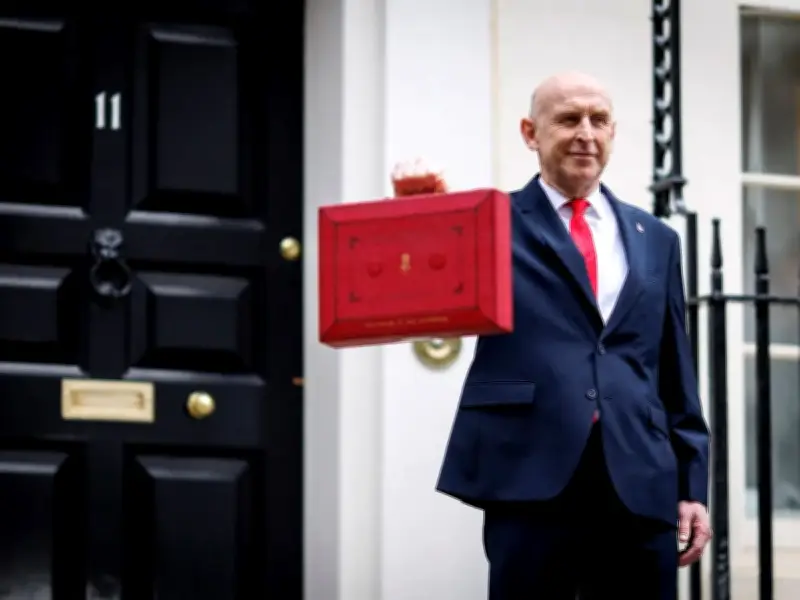
Chancellor John Healey has delivered his first Budget, a steady approach that provides £100 cheques to 20 million households and cuts gas standing charges to ease energy bill rises this winter. The package also raises the minimum wage for 2.3 million low-paid workers, increasing the rate for those aged 21 and over to £13.21, and exempts 70,000 shops, restaurants and gyms from business rates.
A Cautious First Budget
While the measures have merit, questions remain over whether the Chancellor should have been bolder in reversing what the Prime Minister has described as 40 years of impoverishing deregulation and privatisation. The temporary doubling of the bank surcharge to 6% is seen as unambitious, especially as it was 8% under the Conservatives a few years ago. The big four banks alone declared £29 billion in profits during the first six months of the year.
Oil and gas giants, benefiting from windfalls during military conflicts, are expected to fare well under the current tax regime. Healey also committed to keeping Capital Gains Tax rates much lower than Income Tax, while a Wealth Tax on the super-rich with more than £10 million, advocated by Patriotic Millionaires UK, was not considered.
Growth Forecasts and Brexit
Fresh incentives for entrepreneurs and a £20 billion investment in the National Wealth Fund and British Business Bank may pay future dividends. UK annual growth forecasts, while anaemic and all below 2%, were uprated or maintained in four of the next five years, which is not bad by international standards.
Office for Budget Responsibility experts have identified Brexit as a major drag on the British economy, which helps explain why the Prime Minister reopened the debate on the UK's relationship with the European Union. Filling the Brexit black hole would be a significant strategic fix, alongside the PM's everyday fixes and a financial prize worth winning.
Future Challenges
Other difficult decisions await on welfare reform and defence spending, with Healey and Burnham deliberately postponing these potentially explosive issues until after the Budget. The next election, whenever it comes, will be mainly won or lost on living standards and the cost of living.
Opposition parties, particularly Reform and the Conservatives, compete to offer phantom massive tax cuts that would be either fiction or require key public services to be slashed. The unanswered question is whether Healey did enough to reassure reasonable folk to trust Labour to navigate them, their finances and the country through choppy waters. An awful lot is riding on those headline-grabbing £100 payments.