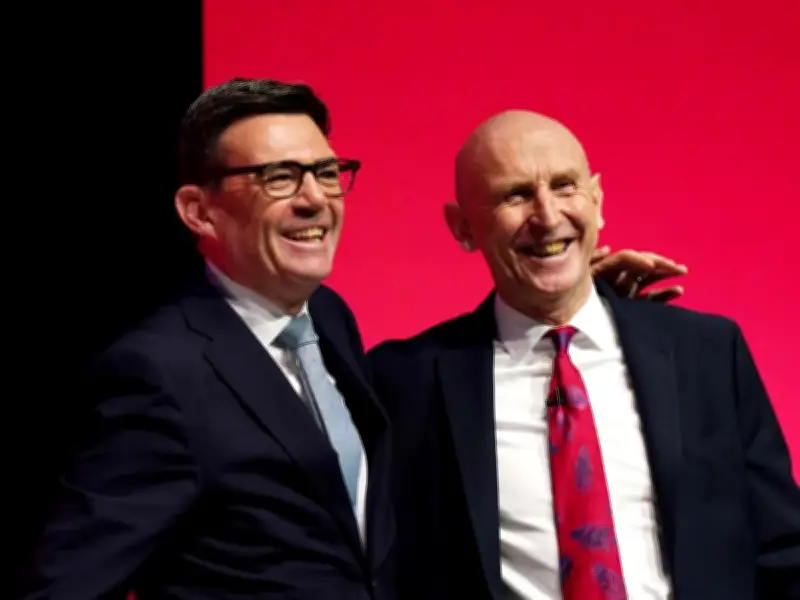
Chancellor John Healey will set out the 2026 Budget on Wednesday, the first under Andy Burnham's leadership. He has promised to use his autumn statement to give households and businesses “breathing space today” from everyday costs.
While his full plans on taxation and spending have been kept under wraps until his statement in the House of Commons this afternoon, reports suggest the chancellor could be looking to freeze fuel duty and scrap standing charges on energy bills in order to save households money.
Mr Healey will have limited scope for big giveaways due to the current stretched state of public finances, made worse by international market turmoil caused by the Iran war. He will be sticking with the rules set out by his predecessor Rachel Reeves, requiring day-to-day spending to be financed by taxes rather than borrowing.
Standing charges and pension rates
This morning, ahead of his statement in the House of Commons, he announced he would be cutting standing charges for gas on energy bills, and signalled he will look into removing the fixed daily fees on electricity as well.
The gas standing charges are added to bills, regardless of how much gas a customer uses, and cost around £108 per year for a typical household. The Treasury said Mr Healey will ask regulator Ofgem to remove gas standing charges for around 23 million homes “in 2027 or as soon as possible after”.
In a video message ahead of the autumn statement, the chancellor said: “This Budget is designed to give households breathing space from some of the everyday costs, provide targeted support for businesses and self-employed people, and to start the long-term action needed to get energy costs down for good.”
Benefits and minimum wage changes
The chancellor is expected to confirm new rates for the state pension and other benefits from April next year, as well as new tax rules that will prevent low income state pensioners paying income tax when the full state pension amount exceeds the personal allowance. A major change to Carer's Allowance that will see the end of the earnings threshold 'cliff edge' is also set to be included in the Budget.
Mr Healey is also expected to announce a rise in the minimum wage by nearly 4 per cent, while ending the trend of hiking the national minimum wage for those aged 18 to 20 by more than the rate for older workers.
He acknowledged the country was facing a “difficult moment” and promised changes would be made “responsibly” within Labour’s fiscal rules. The Budget will be delivered in the House of Commons at around 12.30pm.