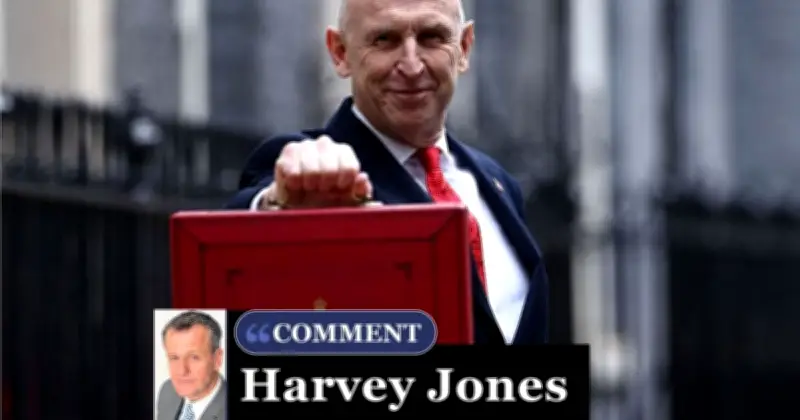
Chancellor John Healey has raised taxes on savings interest by an additional 2 percentage points, on top of the 2-point increase announced by predecessor Rachel Reeves last year. From April 2027, non-ISA savers will face an extra 4 percentage points in tax on interest, even if they are basic-rate taxpayers.
Once their Personal Savings Allowance is exhausted, basic-rate taxpayers will pay 24% tax on savings interest, higher-rate taxpayers will pay 44%, and additional-rate taxpayers will pay 49%.
Landlords Targeted with Doubled Surcharge
Landlords have also been targeted, with Healey doubling next April's 2% surcharge on rental income to 4%. This follows a decade of assaults on buy-to-let under both the Conservatives and Labour, plus Angela Rayner's Renters' Rights Act.
Under Labour, welfare spending is forecast to reach £431.3 billion by 2031/32, according to the Office for Budget Responsibility. That is up 37% from £314.8 billion in the final full year of Tory government, an increase of £116.5 billion. Britain will spend £14 billion more on debt interest this year than originally expected.
Defence and Welfare Decisions Deferred
Healey has deferred plans to spend 3% of GDP on defence by 2030, then 3.5% in 2035. That decision will be made in next year's Spending Review. Major welfare reform decisions have been kicked into 2027, and plans for deep departmental spending cuts have also been postponed until next year.
Healey did extend the 5% VAT cut on electricity bills, removed £100 of gas standing charges, suspended tariffs on hundreds of supermarket products, abandoned the cliff edge in carer's allowance, and offered rates support for small businesses.
By next year, Britain will have the highest tax burden in history, exceeding even the levels recorded in the 1970s and during the Second World War. Meanwhile, £260 billion has been added to national debt across three Labour Budgets.