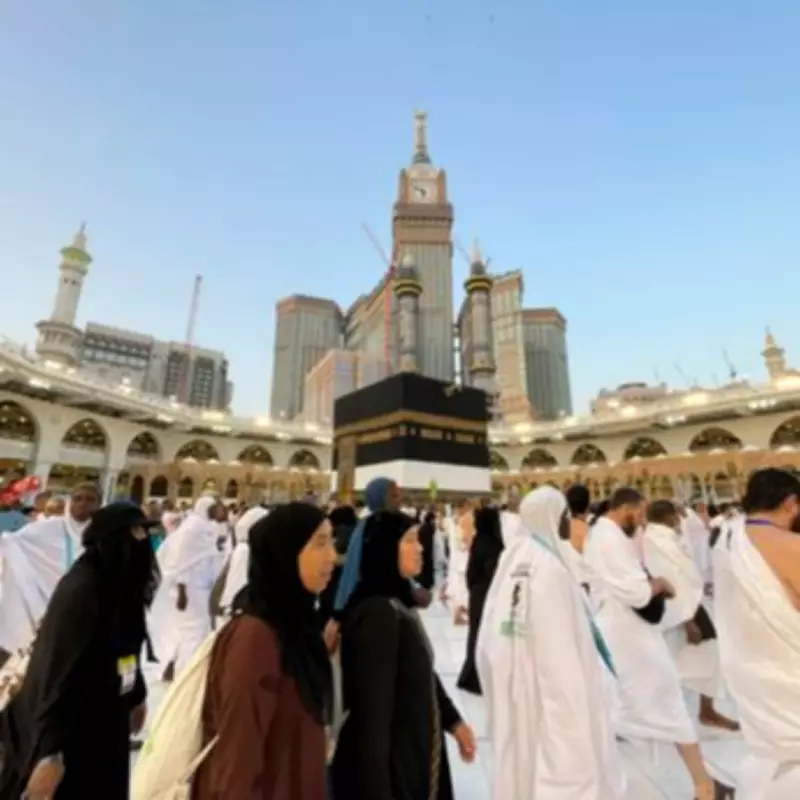
Muslims around the globe are preparing for the annual Hajj pilgrimage, with nearly two million worshippers expected to arrive in the holy city of Mecca in the coming days. Hajj, one of the Five Pillars of Islam, is a mandatory religious duty for all adult Muslims who are physically and financially able to undertake the journey at least once in their lifetime.
What is Hajj?
Hajj takes place every year during Dhul Hijjah, the final month of the Islamic calendar. It is considered a core act of worship and symbolizes unity, devotion, and spiritual purification. Pilgrims follow the route of the Prophet Muhammad, as well as the prophets Ibrahim and Ismail before him, and also retrace the steps of Hagar, who ran seven times between two hills in search of water for her son.
When Does Hajj Take Place in 2026?
Hajj occurs between the 8th and 12th (or 13th) days of Dhul Hijjah. This year, the crescent moon was sighted in Saudi Arabia on Sunday, meaning Dhul Hijjah began on Monday. Consequently, Hajj will take place from Monday, May 25, 2026. The exact date shifts by about 10–11 days each year due to the lunar calendar.

How Pilgrims Perform Hajj
Over five to six days, pilgrims perform a series of rituals in and around Mecca:
- Ihram: Entering a state of ritual purity, wearing simple white garments that symbolize equality.
- Tawaf: Walking seven times anti-clockwise around the Kaaba, Islam's holiest shrine.
- Sa'i: Walking and running between the hills of Safa and Marwa, commemorating Hagar's search for water.
- Standing at Arafat: On the 9th day of Dhul Hijjah, pilgrims gather at the plain of Arafat for prayer and supplication, seeking forgiveness and mercy.
- Muzdalifah: An overnight stay where pilgrims collect pebbles for the next ritual.
- Rami: The symbolic stoning of the devil at three pillars in Mina, representing the rejection of evil.
- Animal Sacrifice: An offering in remembrance of Ibrahim's willingness to sacrifice his son, with meat shared among pilgrims and those in need.
- Tawaf Al-Ifadah: A final circumambulation of the Kaaba marking the culmination of Hajj.
Eid al-Adha: The Feast of Sacrifice
Eid al-Adha, known as the “Feast of Sacrifice,” follows the end of Hajj. It is celebrated with prayers and Qurbani, the ritual sacrifice of an animal, reflecting the obedience of Prophet Ibrahim. The meat is distributed to family, friends, and the less fortunate.
This year, Eid al-Adha is expected to begin on the evening of May 25 or May 26, depending on the sighting of the moon. Muslims worldwide will join in communal prayers and festivities, marking the conclusion of the Hajj pilgrimage.