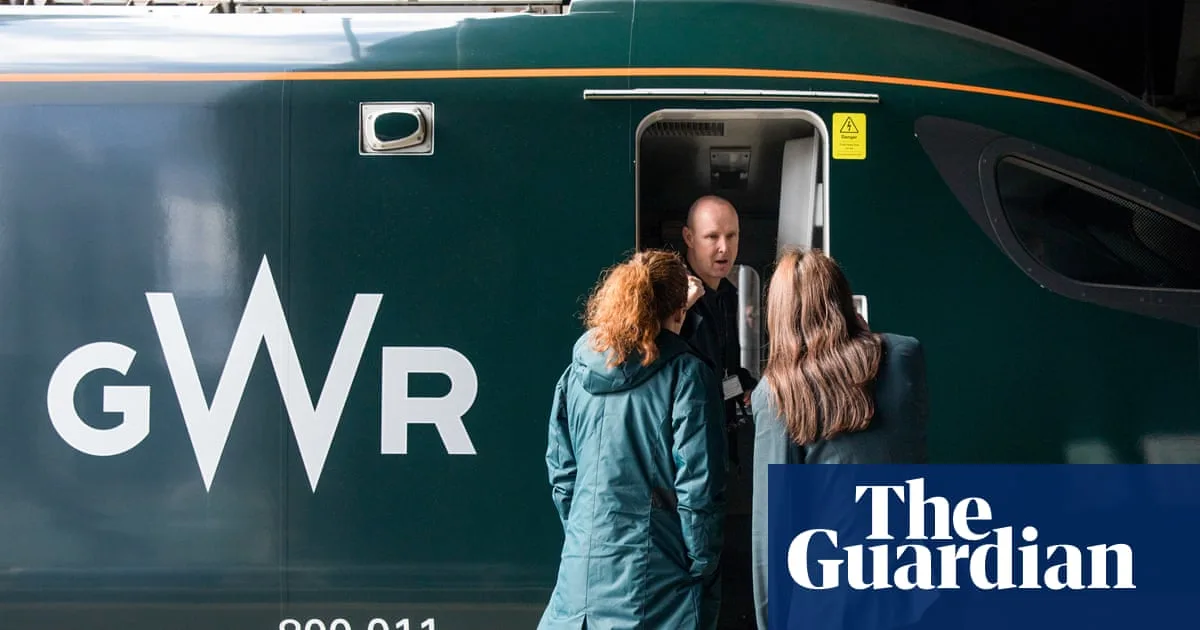
The government has announced that Great Western Railway (GWR) will be nationalised on 13 December, becoming the 11th train operator returned to public ownership since Labour's election in 2024.
The operator, which has been privately run for 30 years, mainly by First Group, connects London Paddington to west and south-west England and south Wales, as well as running services to Oxford and Hereford. The Department for Transport (DfT) confirmed the date, which coincides with the introduction of new timetables nationwide.
GWR's nationalisation follows legislation passed by the Labour government to renationalise all passenger trains when contractually allowed, a process expected to conclude by the end of 2027. Govia Thameslink Railway is due to follow at the end of May, and Chiltern Railways in September, leaving Avanti West Coast, CrossCountry, and East Midlands Railway in private hands next year.
A DfT spokesperson said: “This is another significant moment for the government’s flagship public ownership programme and brings a simpler, more reliable network under Great British Railways a step closer.” Steps have already been taken to integrate train operators with Network Rail where services have returned to public ownership, though it is not yet known if GWR will immediately adopt the combined track and train model used by Southeastern, South Western Railway, and in Anglia.