

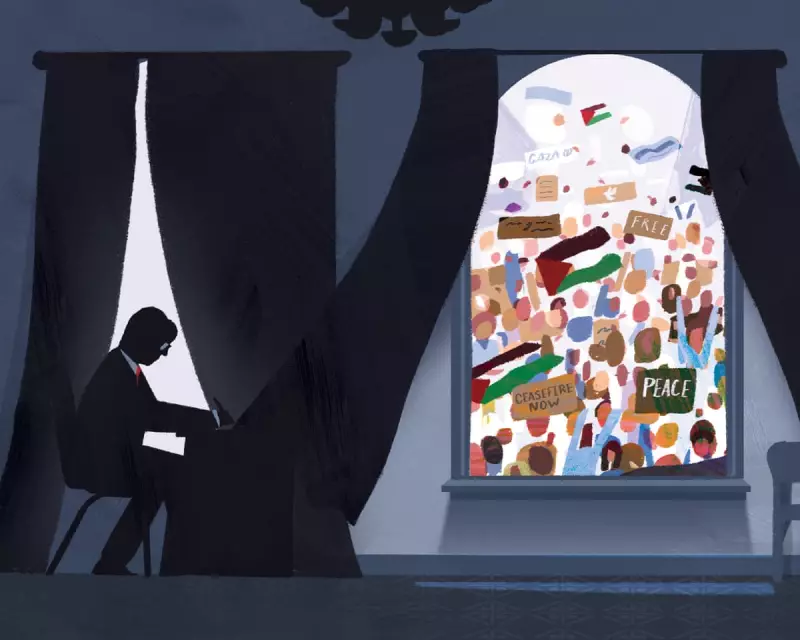
In the shadow of escalating violence in Gaza, a troubling chasm has emerged between the political class and the people they purport to represent. While Westminster debates rage on with familiar partisan fervour, ordinary citizens increasingly find their concerns ignored or misrepresented in the corridors of power.
The Disconnect Deepens
Recent polling indicates that public sentiment on Gaza bears little resemblance to the positions taken by most elected officials. Where politicians often retreat to entrenched ideological positions, the public demonstrates more nuanced, humanitarian-focused views that transcend traditional party lines.
Why Representation Matters
This growing gap raises fundamental questions about democratic accountability. When political discourse becomes divorced from public sentiment on such critical issues, it erodes trust in institutions and fuels disillusionment with the political process itself.

A Crisis of Leadership
The failure to bridge this divide speaks to broader challenges in contemporary governance. Rather than leading informed debates, many politicians appear content to recycle tired talking points that serve only their base constituencies while ignoring shifting public attitudes.
As the humanitarian situation in Gaza continues to deteriorate, this representational failure takes on ever greater significance. The stakes extend far beyond any single conflict - they touch upon the very health of democratic systems struggling to maintain relevance in an increasingly complex world.






