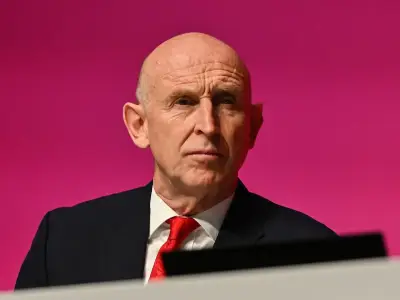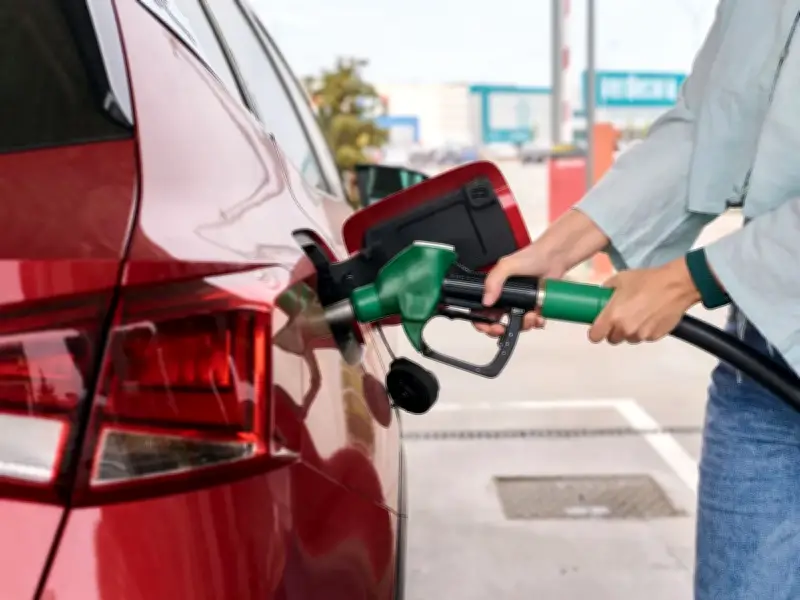
Chancellor John Healey has scrapped a planned fuel duty increase and extended the 5p cut until July 2027, offering motorists some relief on pump prices.
In his Budget speech to the Commons, Healey said the 5p cut, which was due to end on December 31, would now run through the winter and spring. The cut was introduced by the Conservative Government in spring 2022 to freeze fuel duty at 52.95p per litre for both petrol and diesel.
Chancellor extends fuel duty cut
Healey told MPs: “Earlier this year, the Government extended the 5p cut to fuel duty and slashed red diesel to its lowest rate in over 20 years.
“With the war in the Middle East still driving high fuel prices, I am extending these tax cuts for motorists through the winter and spring to July, supporting households, hauliers, and farmers.
“For anyone who relies on their car for their work, from care workers to engineers, I am increasing the higher mileage rate from 25p to 35p per mile, and making permanent the increase to the standard mileage rate introduced earlier this year.”
Record diesel prices
The announcement comes after diesel hit a record high last month, surpassing the previous record of 199.09p set in June 2022 following Russia’s invasion of Ukraine. The RAC said 2026 is on course to be the second-most expensive year on record for drivers to fill up, despite fuel duty remaining at its current rate since 2022.
On Wednesday, the average cost of a litre of unleaded petrol at UK forecourts was 172.92p while diesel was 198.79p, according to data from the motoring organisation.
Reactions from politicians and motoring groups
Conservative leader Kemi Badenoch told Healey in the Commons: “I am glad to see that he has agreed with our campaign on the previous chancellor’s fuel duty rise.
“Motorists will be pleased. That would have inflicted real pain, especially while petrol prices are so high, but they’ll go up in July. Why?
“We froze fuel duty for 14 years. They can do better than that.”
RAC senior policy officer Rod Dennis said drivers “may breathe a mild sigh of relief” at the announcement, but “many are likely to be disappointed the Chancellor didn’t go further to support them – not least as the freeze is only in place until next summer”.
“The freeze only avoids making an already difficult situation worse – it doesn’t make filling up any cheaper,” he added. “It’s worth remembering that pump prices still soared this summer, despite fuel duty being at this very same reduced rate.
“Drivers will now have to hope for an easing of the international conflicts that have pushed up oil prices and disrupted fuel supplies if pump prices are to come down in a meaningful way.”
AA president Edmund King said: “Delaying the fuel duty increase is a welcome ‘trick’, but no ‘treat’ for drivers.” He added: “Now retailers know the lay of the land on fuel duty, where costs are coming down retailers need to pass them on as quickly as possible. We hope the regulator will be monitoring prices closely.”
Steve Gooding, director of the RAC Foundation, said: “The Chancellor said cheaper energy is his top priority but that doesn’t seem to include the energy sold at the pumps – petrol and diesel.
“Delaying a planned hike in fuel duty is welcome, but falls short of actually making the cost of refuelling cheaper. Meantime, the Treasury will still receive getting on for half of everything paid on the forecourts.
“The war in the Gulf has already cost drivers an extra £10 billion and it unfortunately looks set to cost billions more in the months ahead.”
EV charging funding
The Treasury also announced it will cut prices at local, lower-powered electric vehicle chargers across Britain. From spring next year, the Government said it will provide £100 million in funding across two years to help cut charging costs for motorists who use these public charge points near their homes.
The funding will cover chargers typically found on residential streets and make up around a third of the current charging network. This will save drivers who rely on them around £150 per year on average, the Treasury said.
There are currently more than 124,000 public charge points for electric vehicles in the UK, according to charger locator service Zapmap. Vicky Edmonds, chief executive of EVA England, welcomed the funding announcement and said: “Equalisation of VAT between domestic and public charging would have been another welcome interim measure and it is disappointing that we still see no movement from Government on that.”