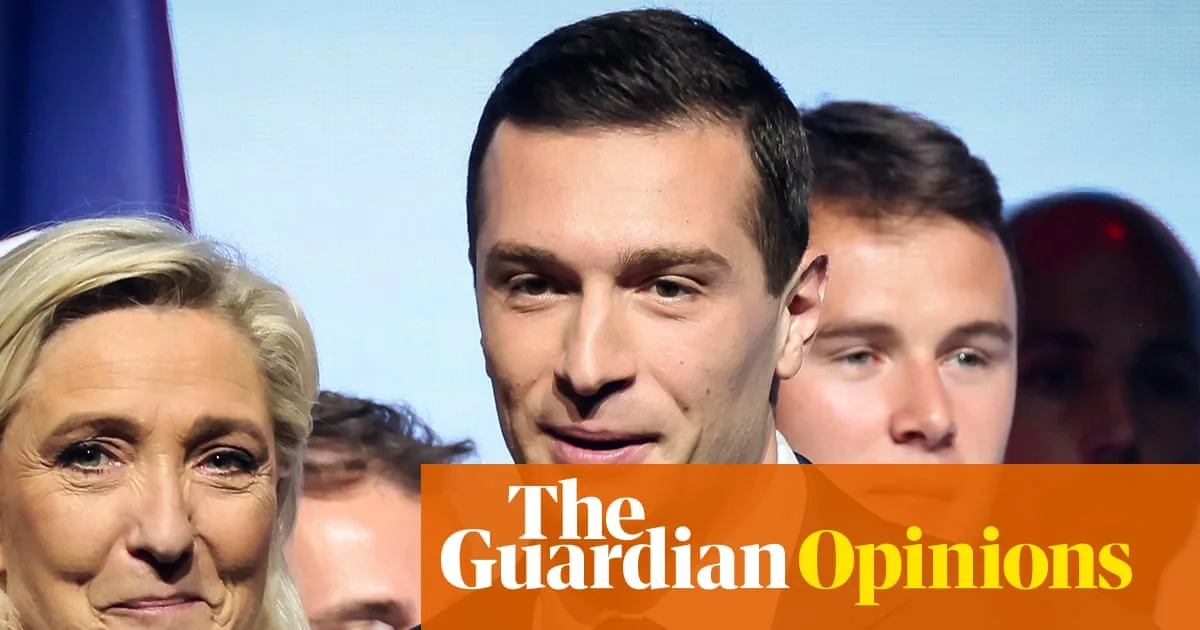
At a Paris meeting hall this week, hundreds of leftwing voters braved a rainstorm to gather chanting: "Unity! Unity!" They were celebrating the 90th anniversary of France's Popular Front, a leftwing alliance formed in the 1930s amid fears of far-right takeover. But their concerns were more immediate: a year before the 2027 French presidential election, Marine Le Pen's far-right National Rally (RN) is high in the polls, closer to power than ever before, and the business community that once shunned it is now openly meeting with senior party figures.
Leftwing Call for Unity
"Voters on the left want unity – so let's cut the bullshit and build it," said Danielle Simonnet, a Paris MP for the leftwing party L'Après, warning that divisions would allow the far right to cement its gains. The leftwing parties gathered this week – including the Socialist party leadership, the Greens, and several smaller groups – vowed to press on with a leftwing primary race for a united candidate in October, seeking to reproduce the New Popular Front alliance that held back the RN in the 2024 snap parliamentary election. However, the initiative is struggling as the left remains fragmented, with key figures preferring to run alone.
Key Leftwing Candidates
Jean-Luc Mélenchon, 74, the veteran radical left leader of La France Insoumise (LFI), announced this week that he would run for president for the fourth time, having come third in 2022. He brushed aside polling showing high antipathy towards him outside his own party. Others contemplating bids include centre-left MEP Raphaël Glucksmann and even former Socialist president François Hollande, despite his 4% approval rating when he renounced a second term in 2016. Hollande recently stated in a magazine interview that he felt he had crucial international experience.
Far Right and Centre-Right Landscape
On the far right, Le Pen awaits an appeal trial verdict on 7 July for embezzling European Parliament funds; if her conviction and ban from public office are upheld, her protege Jordan Bardella, 30, would run. Both poll high. On the right and centre, a multitude of personalities vie for space. Edouard Philippe, Macron's first prime minister, will stand on a centre-right ticket. Another former prime minister, Gabriel Attal, wants to represent Macron's centrist party Renaissance but faces rivalry from justice minister Gérald Darmanin and others. On the right, Bruno Retailleau, a former hardline interior minister, wants to be the rightwing candidate for Les Républicains but faces competition from figures like MP Laurent Wauquiez and the mayor of Cannes, David Lisnard. Former prime minister Dominique de Villepin, known for opposing the 2003 Iraq war and recently vocal on Gaza, also seeks to run. For him and many candidates, the challenge will be gathering obligatory backing signatures from 500 elected officials.
Women Warn Against Ego
Amid the high number of male candidates, some senior women at the left's meeting warned that "testosterone" or "ego" should not be deciding factors.
Voters' Concerns and Risks
Antoine Bristielle, director of opinion at the Fondation Jean-Jaurès thinktank, stressed the need for candidates to address voters' desire for in-depth policy debate on social and economic issues. Top concerns include healthcare access, cost of living, and the social security system. He warned that focusing solely on rejecting the RN could lead to a strategic vote without concrete proposals. Polling by Ipsos last month showed 74% of French voters want radical transformation or deep changes, a substantial increase in three years. Bristielle said: "There has been a real feeling of immobilism in France, namely since the start of Emmanuel Macron's second mandate. People want this presidential election to be a real democratic moment which settles the key issues for the future."
Christelle Craplet, director of opinion at Ipsos BVA, noted the election is impossible to predict at this stage, with only Mélenchon on the radical left and Le Pen or Bardella for the RN as key candidates. The space between them is politically unclear, with many candidates showing fragmentation and difficulty in emerging consensually. Prime minister Sébastien Lecornu called for policies: "When a real presidential campaign kicks off with a real debate on ideas, that will create a more dignified atmosphere."