Florida Airport to be Renamed After Donald Trump Following State Vote
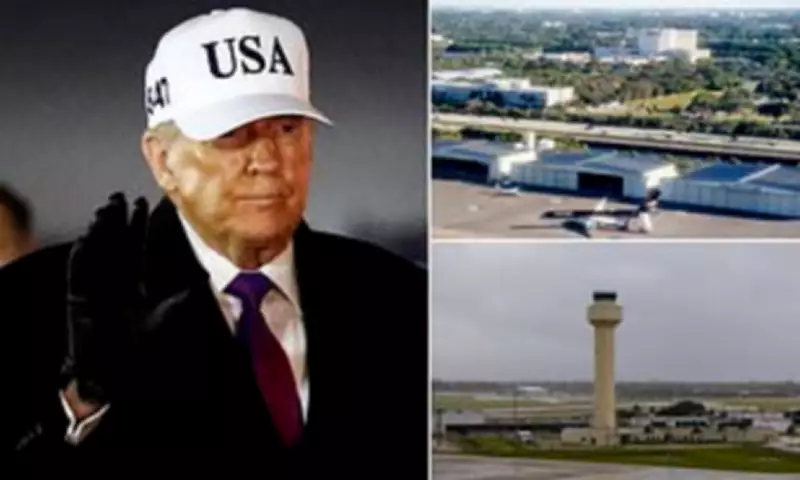
The Florida State Senate has voted decisively to rename Palm Beach International Airport after President Donald Trump, following earlier approval by the state's House of Representatives. The Senate passed the measure with a 25-11 vote on Thursday, building on the House's 81-30 approval earlier in the week.
Legislative Process and Expected Approval
Governor Ron DeSantis is now anticipated to sign the bill into law, though the name change must also receive approval from the Federal Aviation Administration. The legislative action represents a significant move to honor the sitting president in his adopted home state.
Republicans have championed the renaming as a fitting tribute to Trump, who has become the first president to reside primarily in Florida. They highlight his regular hosting of dignitaries at his Mar-a-Lago estate and his various business ventures throughout south Florida as evidence of his deep connections to the region.

Financial Implications and Licensing Arrangements
The airport rebranding is projected to cost Florida taxpayers approximately $5.5 million, covering expenses for new signage, branding elements, and website updates. However, the state's initial budget has only allocated $2.75 million for these efforts, with the House yet to make specific funding recommendations.
In a significant development, the Trump Organization has clarified that Palm Beach County will not be required to pay any licensing fees for using the president's name. "They will not charge us a penny," confirmed Palm Beach County Administrator Joseph Abruzzo, who added that he anticipates a smooth transition and believes the president feels honored by the recognition.
Trademark Applications and Controversy
DTTM Operations, a company associated with the Trump Organization, filed trademark applications in February for both "President Donald J Trump International Airport" and "Donald J Trump International Airport." Trump Organization spokeswoman Kimberly Banza emphasized that these applications were defensive measures intended to prevent unauthorized use of the name, not attempts to profit from the renaming.
Legal experts have noted the unprecedented nature of these trademark filings, marking the first time a sitting president's private company has sought to trademark his name for an airport. While approximately a dozen other presidents have had airports named after them, this particular circumstance has raised questions about potential conflicts of interest.
Political Debate and Opposition Concerns
Democratic lawmakers in Florida have voiced strong opposition to the renaming, arguing that such decisions should wait until after a president's term concludes. Florida Senate Democratic Leader Lori Berman characterized the bill as existing "for one reason: to satisfy one large ego," while US Representative Lois Frankel called the approval "misguided and unfair" for proceeding without adequate local input.
Critics have expressed broader concerns about transparency and potential conflicts of interest, with government oversight advocates noting that the public cannot easily discern whether presidential decisions are guided by public interest or personal profit considerations.
Republican Justifications and Historical Context
Republican supporters have framed the renaming as historically appropriate, pointing to Trump's policy initiatives that have resonated with Florida conservatives, including immigration enforcement and support for Israel. State Senator Danny Burgess argued that future generations would recognize Trump's contributions to preserving American values.
The debate has unfolded against the backdrop of Trump's unique status as a sitting president with ongoing business interests, creating a complex intersection of public honor and private enterprise that continues to generate discussion about appropriate boundaries and recognition protocols.