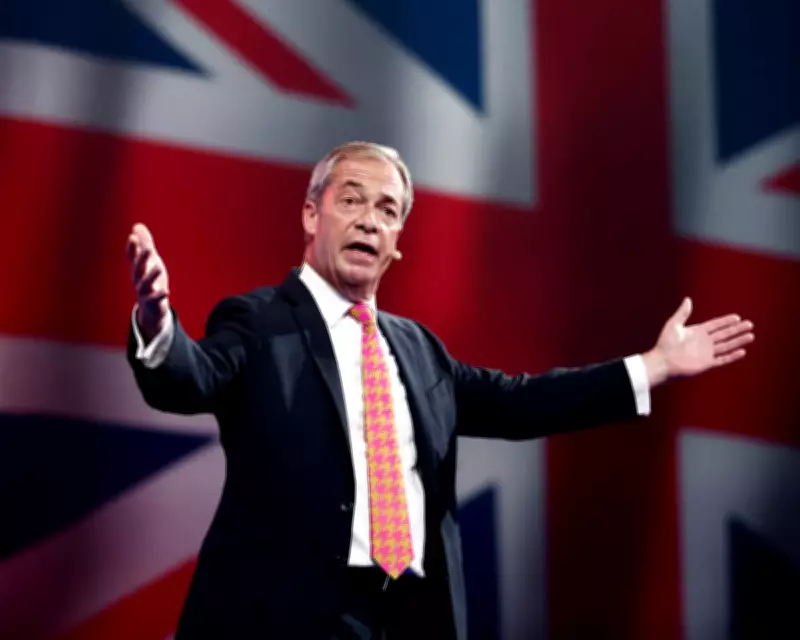
Nigel Farage has ignited controversy by proposing a significant reduction in MPs' salaries, suggesting the funds be redirected to tax cuts for working families. The Reform UK leader argues that politicians are overpaid and out of touch, and that slashing their pay would demonstrate solidarity with struggling households.
Farage's Proposal
Speaking outside Parliament, Farage called for a 20% cut to the basic parliamentary salary of £91,346, which would bring it down to around £73,000. He claimed this move would save the Treasury approximately £13 million annually, which could be used to raise the personal tax allowance or cut VAT. "Why should politicians enjoy lavish salaries while families struggle with the cost of living?" Farage asked. "It's time for Westminster to feel the pinch too."
Reactions from Across the Spectrum
The proposal has drawn mixed reactions. Conservative backbenchers expressed caution, warning that lower pay might deter talented individuals from entering politics. Labour MPs accused Farage of populism, pointing out that he himself has earned substantial sums from media appearances and speaking fees. Liberal Democrat leader Ed Davey called the idea "simplistic" but acknowledged the need for broader parliamentary reform.

Independent experts noted that MP salaries are set by the Independent Parliamentary Standards Authority (IPSA) and are intended to reflect the demands of the role. A spokesperson for IPSA said any changes would require a thorough review of parliamentary workload and responsibilities.
Public Opinion and Polling
Recent polls suggest public support for reducing MP pay is strong, with 62% of respondents in a YouGov survey backing a cut. However, only 34% believed the savings should be used for tax cuts, with many preferring investment in public services. Farage's proposal taps into widespread disillusionment with political elites, a theme he has championed throughout his career.
Critics argue that the plan is a distraction from more pressing issues, such as NHS waiting lists and housing affordability. They also question whether the relatively small savings would have a meaningful impact on household finances.
What Happens Next?
Farage has pledged to bring the proposal to a vote in the Commons if Reform UK gains more seats in the next election. For now, the idea remains a talking point, highlighting the ongoing debate about fairness and accountability in British politics. Whether it gains traction or fizzles out, it underscores the public's demand for change in how politicians are compensated.