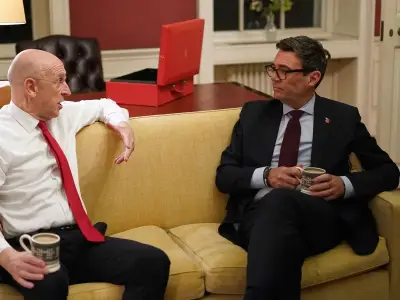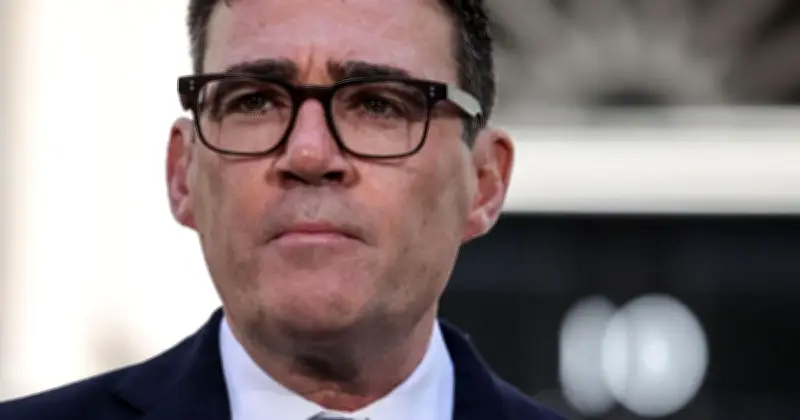
Reform UK leader Nigel Farage has accused Prime Minister Andy Burnham of “peddling grievance politics” after the Labour leader signalled he may apologise for Britain’s role in the transatlantic slave trade. Mr Burnham has also been criticised for letting down the King and handing a “weapon” to campaigners who want Britain to pay potentially trillions of pounds in reparations for slavery.
The comments on slavery landed as King Charles toured the Caribbean, with Commonwealth heads of government about to gather for a summit in St John's, Antigua and Barbuda. It is feared an apology could turbocharge demands for compensation, with British taxpayers expected to foot the bill for crimes committed centuries before they were born.
Burnham's Stance on Apology and Reparations
Ahead of the Commonwealth gathering, Mr Burnham said he wanted to express his “sorrow and regret for the pain and suffering of so many millions of people, and to recognise the way it still shapes our world today”. He said Britain is offering a “structured dialogue with those affected by the transatlantic slave trade”, adding: “Listening to calls for a formal apology on behalf of the British state will form an important part of this process, and I am open to them.”
In his Guardian article, Mr Burnham set out why he did not believe financial reparations are the “right answer” to the legacy of the slave trade, saying: “I do not think that British people today can be held liable for historical wrongs, however heinous, that happened in a different age under different laws and in which they played no personal part.”
Political Reactions and Criticism
Mr Farage declared Britain has “already paid the price for its role in the slave trade”. He told the Express: “We abolished the slave trade in 1807 and then spent vast sums of money stamping it out across the world – a bill that wasn’t settled until 2015. Instead of peddling grievance politics, the Prime Minister should be proud of the leading role Britain played in ending this barbaric practice.”
Conservative leader Kemi Badenoch said Mr Burnham “should be Britain’s greatest defender” and said this is not the time for him to provide “global welfare”. She shot down demands for reparations, saying: “There is no reason British taxpayers today should be held financially responsible for things that happened generations before any of us were born. And I have even less patience for political elites in Commonwealth countries who don’t know how to make their own citizens prosperous now looking for another opportunity to blame Britain.”
Mrs Badenoch called into question Britain’s future in the 56-member organisation, saying: “If every Commonwealth summit becomes an exercise in presenting Britain with demands for cash then we need to start asking if it is worth the effort.” She asked whether Caribbean countries pressing for a formal apology will also ask “the same of the descendants of African kingdoms, rulers and merchants who captured, sold and profited from the trade”.
Sir Jacob Rees-Mogg, a former Conservative Leader of the Commons, said Mr Burnham’s remarks were worthy of an “insignificant mayor” but not a prime minister. He told the Express: "An apology is the first step to reparations and there is no reason for one. Britain ended the slave trade, but slavery remains rife today in countries that are now criticising us. Burnham’s comments are those of an insignificant mayor, not a prime minister, and are especially unwelcome while the King is picking his way with great diplomatic skill through a difficult foreign trip."
Former Brexit minister David Jones warned that the Labour leader had committed a major blunder, saying: “Andy Burnham has demonstrated his lack of both judgment and experience. An apology would be seized on by reparations campaigners as a down payment, with British taxpayers expected to foot the bill for crimes committed centuries before they were born. His assurance that he would not pay will do nothing to discourage those demands. To float this idea while the King is overseas, faithfully following his Government’s advice not to apologise, is astonishingly irresponsible. Burnham has let his own sovereign down and handed campaigners a weapon to use against him. The King is there to strengthen Commonwealth ties, not to be left exposed by the British Prime Minister’s ineptitude.”
Government and Commonwealth Responses
Former home secretary Dame Priti Patel said the Prime Minister should work to support the Commonwealth rather than “looking at the past”. She said: “Burnham needs to stop looking at the past, rewriting history and get on with dealing with the challenges Britain faces after two years of Labour’s higher taxes, higher unemployment and the cost of living pressures Labour have inflicted upon the British public. The Commonwealth leaders summit is led by HM the King and Burnham should be working to support the shared endeavours for the future of the Commonwealth and stop looking at the past.”
Chancellor John Healey told the BBC’s Laura Kuenssberg: “The Prime Minister has said, look, we are open to a discussion about an apology. He feels that's the right thing, particularly ahead of the Commonwealth leaders’ conference. He doesn't believe that reparations are the right approach. And considering a formal apology doesn't mean accepting British people now should accept the financial liability of any party in things that happened hundreds of years ago in which they had no role.”
A major report in 2023 led by the Brattle group of financial advisers concluded the UK should pay $24trillion – then £18.8trillion – for its involvement in slavery in 14 countries. Gaston Browne, the prime minister of Antigua and Barbuda, described Mr Burnham’s statement as a “welcome development” and said “differences over financial compensation should be addressed through dialogue”. Philip Davis, the prime minister of the Bahamas, told Sky News that he would be “open” to the removal of the King as head of state.