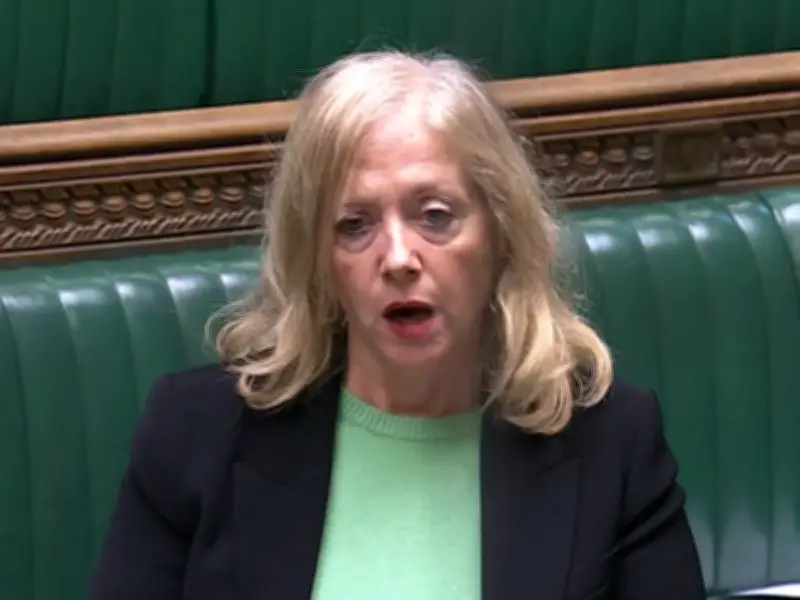
The family of a disabled 12-year-old girl has been told to repay £27,000 after the Department for Work and Pensions (DWP) reviewed their case and ruled she was ineligible for the benefit. A government minister has promised to investigate the matter after it was raised in Parliament.
Liberal Democrat MP Liz Jarvis said the family, from her Eastleigh constituency, "did not make a mistake", yet the DWP offered just £400 in compensation while still demanding the full sum be returned.
Benefit awarded in 2018
Ms Jarvis told Parliament: "My constituent's 12-year-old daughter is blind in one eye and sight-impaired in the other, and she was awarded the higher-rate disabled child element of universal credit in 2018. In awarding that benefit, the Department for Work and Pensions failed to request a certificate of visual impairment. Upon reviewing the case, seven years later, it decided that she did not qualify."
Ms Jarvis explained that despite the DWP acknowledging its error, the department continued to demand repayment of the full amount while offering only a nominal payout. She said: "My constituent must now repay nearly £27,000 for a mistake she did not make, even though the DWP has admitted in writing that it shares responsibility for this overpayment. The DWP has given her just £400 in compensation for its mistake. Will the Minister review whether it is right for the DWP to recover sums in full when her Department accepts fault?"
Minister promises to investigate
Parliamentary Under-Secretary of State for the Department for Work and Pensions Lillian Greenwood pledged to investigate the matter, telling Parliament: "I thank the hon. Member for raising this particularly difficult-sounding case. We always want to get our decisions right, and we do not want people to end up building up large amounts of overpayment, which they then have to refund to the Department. If it would be helpful, I would be happy to meet her to hear more about this particular case."
Ms Jarvis had been questioning the DWP in Parliament regarding possible reductions to overpayment amounts. Ms Greenwood explained: "We regularly check disability benefit decisions to make sure they are correct. Where we find mistakes, we look at what happened and use those lessons to improve future decision making. We share that learning across teams and focus support where it is most needed. That helps us to make more consistent decisions, ensures that people receive the right entitlement and reduces the risk of incorrect payments."
The DWP has been approached for further comment.
New anti-fraud measures
Last month, the department deployed new anti-fraud measures for the first time to help detect claimants with undisclosed savings or prolonged periods abroad. The DWP issued its first Eligibility Verification Notice, compelling banks to provide information enabling the department to verify benefit entitlement.
The Eligibility Verification Measure (EVM), which officials believe could save taxpayers £1.2 billion by 2030/31, will require banks to assist in identifying claimants who may possess undeclared savings or spend longer abroad than benefit regulations permit, two key causes of fraud and error. The measures aim to help uncover fraud, cut incorrect payments and safeguard taxpayers' money. They have been brought in under the Public Authorities (Fraud, Error and Recovery) Act 2025 and form part of the Government's broader effort to save the taxpayer £14.6 billion over the coming five years.
They will also help spot incorrect payments more quickly, ensuring people get the support they are entitled to while minimising the risk of overpayments accumulating and claimants falling into unnecessary debt.